Goals

Track financial goals with context from your actual cash flow and bills

A goal is easier to trust when you can see how it fits with recurring bills, weekly spending, and the real room left in your month.

  • Connect goals to real cash flow instead of wishful leftovers
  • See how recurring bills affect savings pace
  • Use household visibility to keep shared goals on track
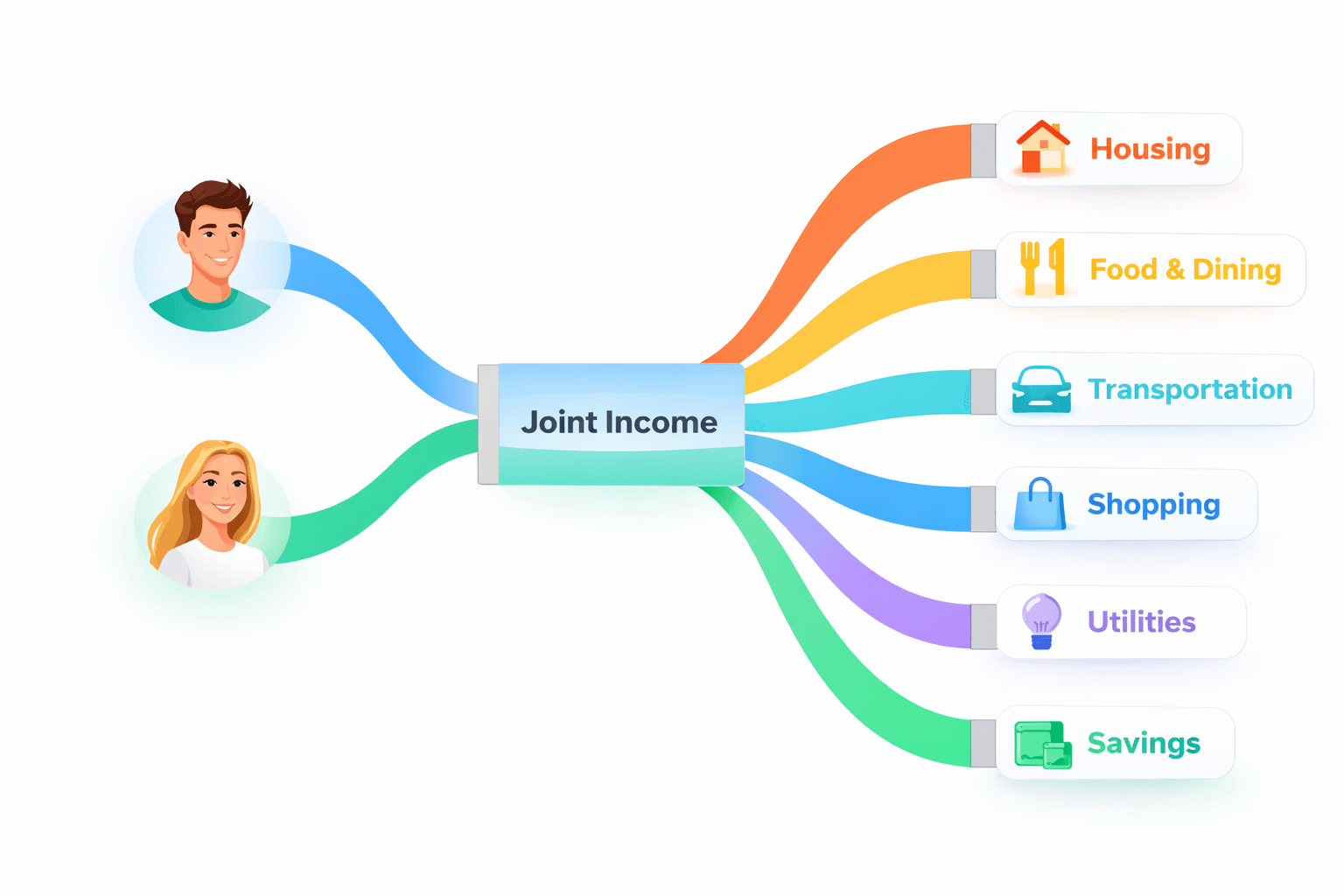
Stitch Money visualization connecting income, spending, and savings for goal planning
Goals work best when they are funded from real cash flow rather than from optimistic leftovers.

Goal pace

Match the goal to reality

  • Goal target: $3,000
  • Current monthly pace: $220
  • Main constraint: utility and childcare bills

Financial goals fall apart when they live in isolation. A savings target that ignores recurring bills, pay-cycle timing, or changing household spending quickly becomes a number that sounds good but doesn't fit real life.

The better approach is to connect goals to cash flow. When you can see what's coming in, what's already committed, and what changed this week, the goal becomes easier to fund consistently and easier to adjust honestly.

Why goals need a real funding source

A goal works when it has a realistic place in the flow of money. That means you know which dollars usually fund it, how recurring bills affect the pace, and what spending shifts might slow it down.

Without that context, goals turn into monthly optimism. The target may stay visible, but the path to it stays fuzzy.

How to keep goals moving without constant pressure

The strongest goals use a steady pace rather than a heroic sprint. A smaller, consistent contribution that survives ordinary bill weeks usually beats an aggressive target that collapses after one expensive month.

For households, shared visibility matters because the goal competes with the same recurring bills and category choices that everyone else is already navigating.

How to make financial goals more realistic

  1. Choose a goal amount and a monthly pace that fits current cash flow, not ideal cash flow.
  2. Review recurring bills before deciding how much is truly available for the goal.
  3. Check progress weekly or biweekly so small course corrections stay easy.
  4. Adjust the pace when income or fixed costs change instead of pretending the old number still fits.

Two goals that work because the numbers stay grounded

Example 1: Building a house-repair buffer

A household wants a $3,000 home repair reserve and can realistically set aside $220 per month after reviewing current bills and cash flow. That pace reaches the target in about fourteen months without forcing the checking buffer too low.

The goal is slower than the ideal plan, but much more likely to stick.

Example 2: Paying for holiday travel without a scramble

A family expects a $1,800 December travel cost and starts in April. Saving $225 per month works until summer utility bills spike, so they temporarily step down to $180 for two months and then resume the higher pace.

The goal stays alive because the plan adapts to real cash flow instead of pretending nothing changed.

Common goal-setting mistakes

  • Setting the contribution target before checking recurring bills and real weekly cash flow.
  • Ignoring mid-year changes in income or fixed costs and assuming the original pace still fits automatically.

Pro tips for more durable goals

  • Aim for a pace you can repeat in an ordinary month; consistency beats an unrealistic sprint.
  • Use cash flow reviews to decide whether a slower but steady contribution is smarter than skipping the goal entirely during tighter weeks.

How Stitch connects goals to real household money movement

Stitch gives households the supporting context a goal needs: recurring bills, cash flow, spending reviews, and shared visibility through Patch. That makes it easier to decide what the goal can realistically absorb this month.

Instead of treating goals as separate from daily money management, Stitch helps you keep the target connected to the exact cash decisions that either support it or delay it.

Goals feel more credible when the whole household can see the tradeoff

A goal is easier to trust when it reflects current bills, current spending, and the real room left in the budget. Stitch helps households review those pieces together so the goal stays grounded and transparent.

Frequently asked questions

What makes a financial goal realistic?

A realistic goal has a clear funding source, a pace that fits your current cash flow, and room to adjust when life changes.

Should goals come before or after budgeting?

They should be connected. Budgeting shows what's available, and the goal gives those available dollars a specific job.

How often should I check my goal progress?

Weekly or biweekly works well because it keeps the goal tied to current bills and spending without creating too much admin.

What if my goal pace feels too slow?

A slower pace that actually happens is usually better than a more aggressive target that repeatedly gets skipped.

Can shared households track goals together?

Yes. Shared visibility helps everyone understand the tradeoff between the goal, recurring bills, and current spending.

How do goals connect to cash flow?

Cash flow tells you whether the money is really available when you plan to contribute, which is what keeps the goal sustainable.

Get started

Build goals that fit your real month

Create a free Stitch account to connect goals to your household cash flow, recurring bills, and weekly money decisions.