Cash flow

Track cash flow so you can see timing, not just totals

Cash flow is the story of when money comes in, when it goes out, and whether your buffer is widening or shrinking. Stitch makes that story visible for real households.

  • Compare income, spending, and net flow in one place
  • See how pay cycles interact with recurring bills
  • Spot timing stress before it turns into a tight week
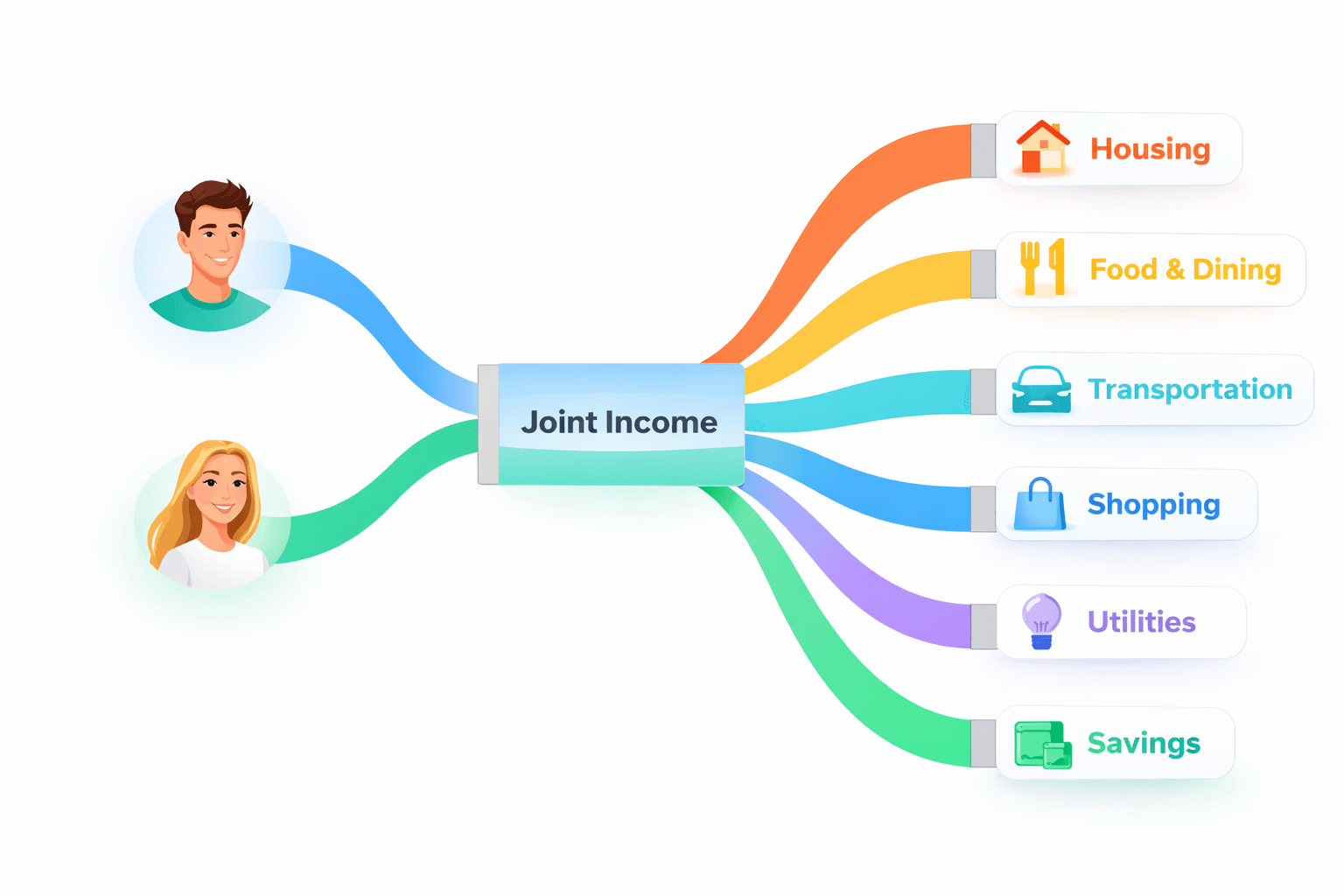
Stitch Money cash flow visualization showing income and spending movement
Cash flow is easier to manage when income, spending, and timing are visible in the same view.

Weekly net flow

See when the squeeze hits

  • Income this week: $2,450
  • Bills due before next pay: $2,210
  • Room left for discretionary spend: $240

A cash flow tracker is different from a budget category chart. It answers a simpler and more urgent question: how much money is coming in, how much is going out, and when does the gap tighten. That timing is what households feel day to day.

If your spending looks reasonable in total but the month still feels stressful, cash flow is usually the missing view. Stitch helps you compare income, recurring bills, and real spending in one place so the pressure points are easier to see.

Why cash flow matters more than monthly totals on tight weeks

A month can be profitable overall and still feel rough in the middle. That happens when income lands in bursts while bills and daily spending keep moving steadily. A cash flow tracker exposes the gap between those rhythms.

This is especially important for biweekly pay, side income, or households with two different pay cycles. The question isn't only whether you earn enough. It's whether the money arrives in time for what's due.

What to watch inside a cash flow view

The three basics are total income, total outflow, and net flow for the period. The more useful layer is timing: when big bills cluster, when spending spikes, and which week carries the most risk before the next deposit.

That's why cash flow and recurring tracking should work together. A paycheck chart without bill timing leaves out the part that changes daily decisions.

How to use a cash flow tracker weekly

  1. Check the latest income and total outflow for the current week first.
  2. Compare upcoming recurring bills with the next deposit, not just the month total.
  3. Look for unusually high spend categories that shifted the net flow this period.
  4. Adjust discretionary timing before the next bill cluster if the buffer is tightening.

Two cash flow moments worth catching early

Example 1: Biweekly pay with a mid-cycle squeeze

A household brings in $2,450 every other Friday, but rent, utilities, and daycare total $2,210 before the second check lands. Even with positive monthly cash flow, the week before payday is the stress point.

The cash flow view makes the timing gap visible before the checking account feels tight.

Example 2: One freelance month and one salaried month

One partner brings in a steady $4,200, while the other earns $1,100 one week and $2,400 the next. A single monthly income total hides the uneven inflow, but the week-by-week view shows exactly when the household can safely make larger purchases.

Cash flow turns uneven income from guesswork into a timing plan.

Common cash-flow mistakes

  • Treating the monthly net number as enough information, even though the stress is happening in one specific week.
  • Looking at spending totals without comparing them to bill timing and the next expected deposit.

Pro tips for a more useful cash-flow review

  • Review the current week and the next upcoming bill cluster together; that's where the practical decision usually lives.
  • Use cash flow to guide timing choices, not to shame normal spending categories that are already planned for.

How Stitch makes cash flow easier to read

Stitch shows income, spending, and recurring timing together so households can see the actual flow of money rather than isolated transactions or categories. That makes it easier to answer what changed and what needs attention this week.

Because the cash flow view connects back to bills and transactions, you can move from the summary to the underlying cause quickly instead of guessing why the buffer feels tighter.

Cash flow is most useful when it's current and explainable

A good cash flow view depends on current transaction data and clear household context. Stitch uses connected accounts and shared review tools so the numbers are easier to trust and easier to act on.

Frequently asked questions

What does a cash flow tracker show?

It shows money coming in, money going out, and the net difference for a period, with the timing layer that explains when your buffer tightens or expands.

How's cash flow different from budgeting?

Budgeting focuses on planned category limits. Cash flow focuses on timing and whether the money arrives before the bills and spending leave.

Is cash flow still useful if my income is steady?

Yes. Even steady income can feel tight if bills cluster in a short window or spending spikes at the wrong time.

How often should I check cash flow?

A weekly review is usually enough for most households, with extra attention during heavy bill weeks or uneven income periods.

Can shared households track cash flow together?

Yes. A shared view helps everyone see the same timing picture instead of relying on one person to explain it from memory.

What's the most important cash-flow number?

The most useful number is often your net flow for the current period paired with the timing of the next major bill cluster.

Get started

See the flow of money before the week gets tight

Create a free Stitch account to track income, spending, and recurring timing in one household cash flow view.