
Cash timing
Avoid late fees and overdrafts by fixing timing before you touch the budget math
Most late fees and overdrafts come from timing problems: bills cluster, paydays shift, and a small buffer disappears faster than expected. Stitch helps you see that window earlier.
Stitch Money Editorial Team · Published February 26, 2026
Editorial policy and correction standards
- Compare bill timing with your pay cycle
- Use recurring visibility to protect your cash buffer
- Catch risky weeks before a draft lands or a fee posts
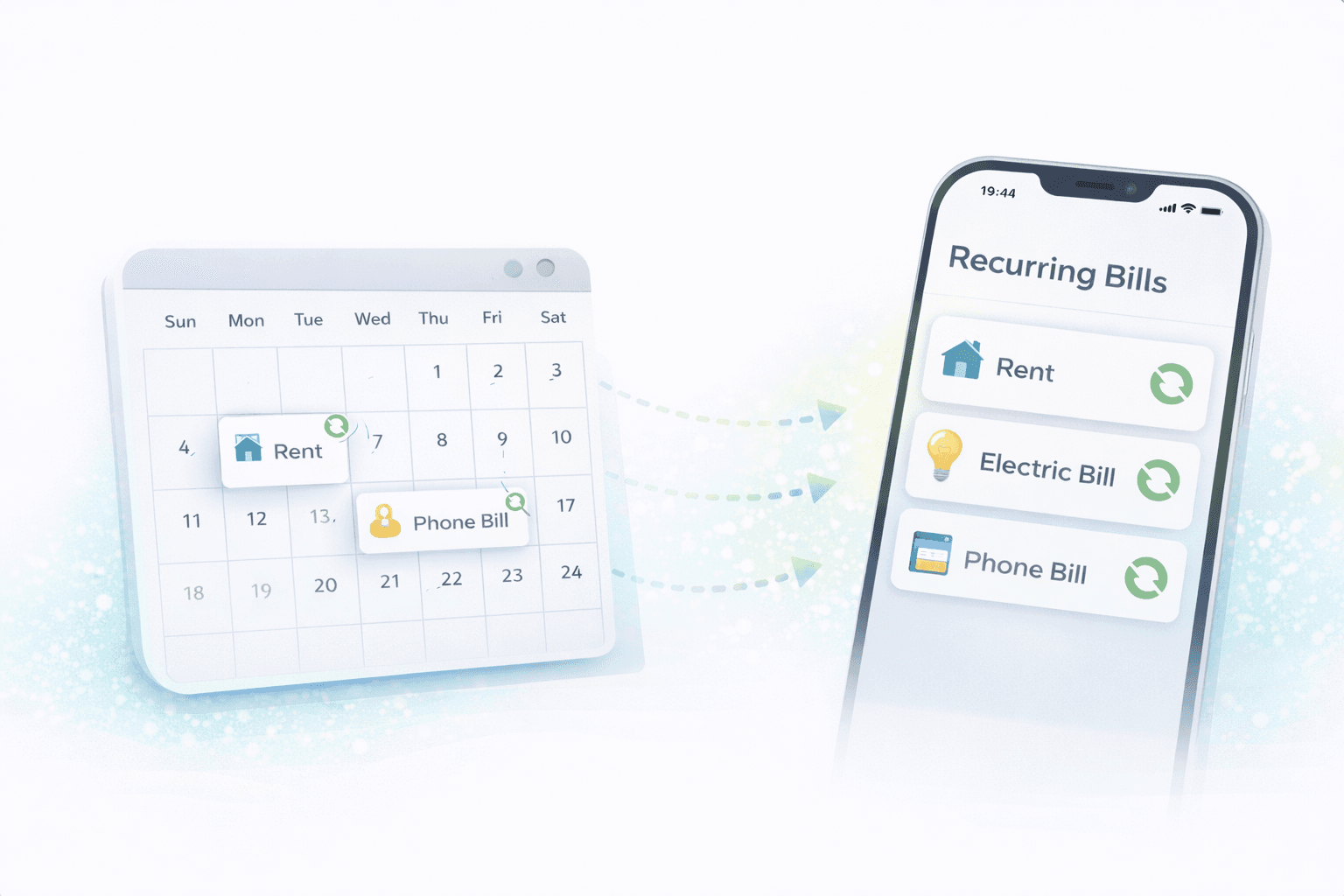
If you are trying to avoid late fees and overdrafts, the first step is rarely cutting one category by $20. The first step is seeing when bills hit relative to payday and how much room you actually have in the account before that happens.
Late fees and overdrafts are timing costs. A practical system makes upcoming drafts visible, shows where the tight weeks are, and gives you enough lead time to move spending or transfers before the bank does it for you.
Why tight weeks trigger most fees
A month can look affordable in total and still produce an overdraft on one specific Wednesday. That happens when several bills cluster before income lands or when a variable bill comes in higher than expected.
The important question isn't only 'can we afford this month.' It's 'can we get through the next seven days without dipping below the buffer.' That's the view most bank apps don't make obvious enough.
The simplest anti-fee routine
A strong routine is boring: check upcoming drafts, compare them with the next paycheck, and decide whether to delay discretionary spending or move money earlier. You don't need a complex budget meeting to prevent a $35 mistake.
When the routine repeats weekly, late fees become easier to prevent because you aren't waiting until a payment is already due today to notice the gap.
How to reduce late-fee and overdraft risk
- Review the next week of bills before the week starts.
- Keep a clear minimum buffer number in mind instead of relying on intuition.
- Watch variable recurring bills that can widen the gap unexpectedly.
- Move or pause discretionary spending when bills and payday sit too close together.
Helpful next reads
Two fee risks that are easier to stop early
Example 1: A paycheck arrives one day too late
A paycheck normally lands on Friday, but a holiday pushes it to Monday. Meanwhile, auto insurance drafts $141 on Friday morning and the checking account would fall $32 short after a grocery run on Thursday night.
Seeing the due-date stack by Wednesday gives enough time to shift a transfer and avoid the fee.
Example 2: Utility swing plus card minimum
The electric bill jumps from $109 to $164 in August and lands two days before the $95 card minimum. With only a $180 buffer, that one increase turns a normal week into a likely overdraft if no one notices it first.
A recurring review turns a surprise fee into a straightforward timing adjustment.
Common mistakes that lead to fees
- Looking only at the month total instead of the next seven days, where the cash squeeze actually happens.
- Treating the account balance as spendable cash without subtracting the bills that will draft before the next paycheck.
Pro tips for protecting your buffer
- Pick a hard floor for your checking balance and treat money below that line as already spoken for.
- Check the bill cluster before weekends and holidays, because payday timing often shifts there first.
How Stitch helps households avoid timing-based fees
Stitch puts recurring bills, upcoming timing, and your recent transaction picture in one place so you can check the next pinch point quickly. That's the practical moment when late fees and overdrafts can still be prevented.
Instead of relying on memory, you can review the upcoming bills, compare them with the current spending trend, and make a small move before the fee becomes real.
Frequently asked questions
What causes most late fees and overdrafts?
Usually timing. Bills cluster before payday, a variable bill runs high, or the available balance looks larger than it really is once upcoming drafts are considered.
Is overdraft prevention mostly about budgeting less?
Not at first. The first win usually comes from seeing bill timing and protecting a buffer, not from rewriting the entire budget overnight.
How much buffer should I keep?
The right buffer depends on your bills, but it should at least cover your most common variable swing plus one medium recurring charge.
How often should I check upcoming bills?
A weekly review is usually enough for most households, especially before weekends, holidays, or a heavy bill cluster.
Can shared households use the same anti-fee routine?
Yes. Shared visibility around due dates and recent spending often makes it easier to prevent gaps before one person gets surprised by a draft.
Why does the account balance still mislead me?
Because the balance shows what's there now, not what has already been claimed by bills due before your next income lands.