
Slow spend drift
Stop subscription creep before familiar charges become a silent raise in your monthly spend
Subscription creep happens when harmless-looking charges pile up slowly enough that no single bill feels worth stopping. Stitch helps you make the total obvious.
Stitch Money Editorial Team · Published February 26, 2026
Editorial policy and correction standards
- Spot small recurring charges that quietly stack over time
- Review duplicates, add-ons, and low-use subscriptions quickly
- Use a weekly habit instead of a once-a-year cleanup scramble
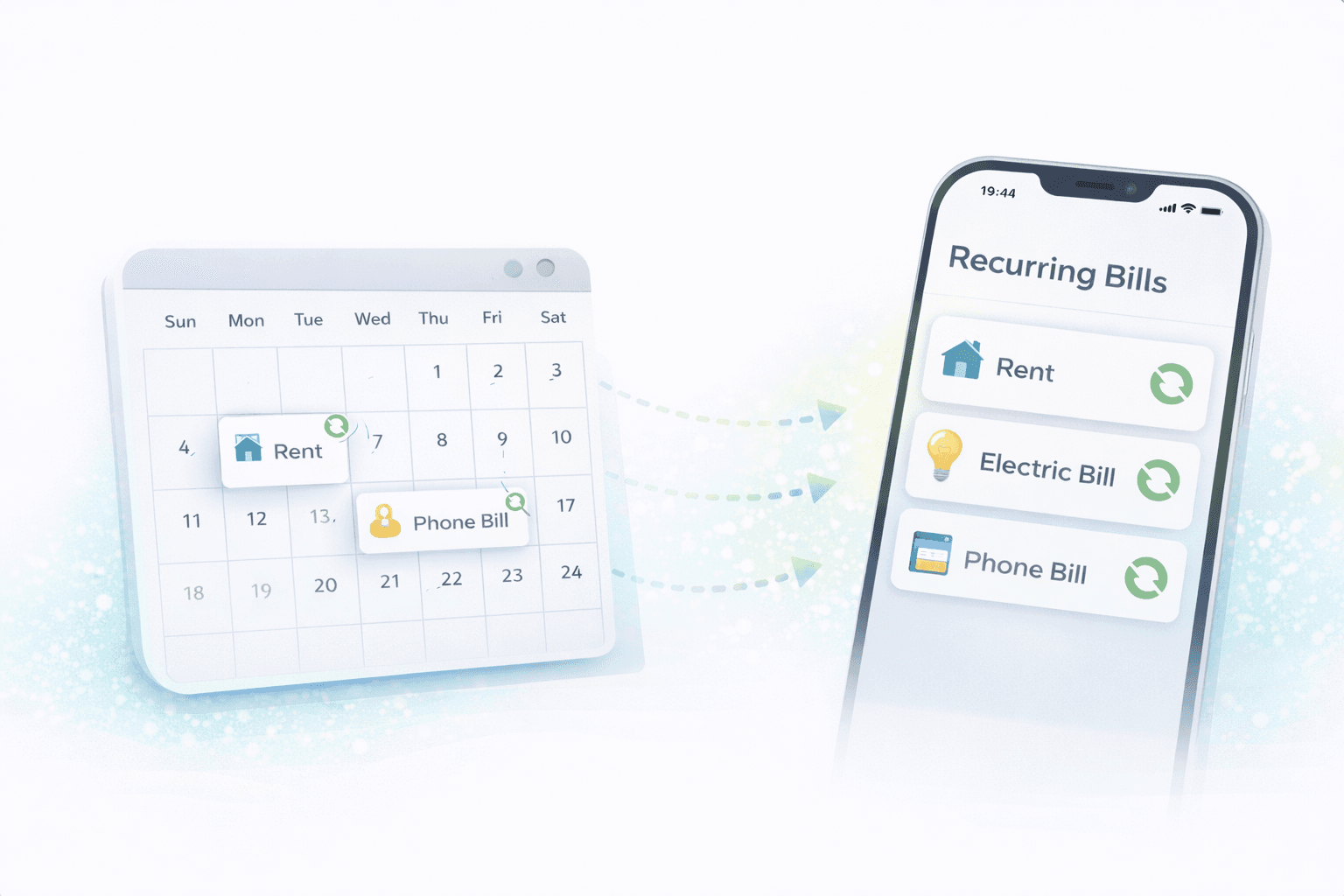
Subscription creep isn't one giant mistake. It's a series of tiny, familiar charges that never feel urgent enough to question. A price bump here, an extra add-on there, and suddenly a category that used to be $28 a month now costs $79.
The fix isn't a dramatic purge. The fix is noticing the pattern early, grouping the small charges together, and doing a short review before the next few renewals hit.
How subscription creep usually starts
It often begins with one free trial that converts, a second family add-on, and a couple of low-cost tools tied to convenience. Because each charge feels routine, the total grows without drawing much attention.
Households also miss the overlap problem. Two people may pay for similar services on different cards because neither one sees the grouped total in the same place.
Why a lightweight weekly review works better than a giant audit
A yearly subscription cleanout feels productive, but it often comes too late. A five-minute weekly review catches the new charge while the decision is still easy and the usage is still fresh in your mind.
The best question is simple: if this billed again next week, would we still keep it on purpose? That keeps the review practical instead of aspirational.
How to slow down subscription creep
- Group all small recurring digital charges into one visible total.
- Review new recurring additions within a week of the first charge.
- Look for overlapping services across cards and household members.
- Downgrade or cancel the lowest-value item first instead of waiting for a perfect cleanup session.
Helpful next reads
Two common subscription-creep patterns
Example 1: The entertainment stack
A household starts with one $15 streaming service, adds a $9.99 sports add-on for a season, keeps a $7.99 music plan, and forgets a $12.99 family app that no one opened in months. The category reaches $45.97 before anyone notices the trend.
The issue isn't one expensive service; it's the quiet accumulation.
Example 2: Productivity tools that linger
A freelance side project adds a $19 design app, $8 cloud tool, and $11 invoicing extra. When the project ends, the tools keep renewing and turn into $38 every month of automatic drag.
Recurring convenience costs are easiest to cut when the original reason has already faded.
Common mistakes that let subscription creep continue
- Judging each low-cost subscription on its own instead of reviewing the combined monthly total.
- Waiting for annual renewals or card statements instead of reviewing new recurring charges while they are still fresh.
Pro tips for keeping recurring spend lean
- Cancel or downgrade the lowest-value item first; one quick win makes the next decision easier.
- Treat duplicate services across household members as one cleanup category and review them together.
How Stitch makes subscription creep easier to spot
Stitch surfaces recurring charges, keeps them tied to the transaction history, and makes it easier to see the category total that hidden subscriptions create together. That keeps the review grounded in current numbers instead of vague memory.
Because the recurring and transaction views sit together, you can identify the charge, confirm the pattern, and decide whether it still earns a place in your monthly spend.
Frequently asked questions
What's subscription creep?
It's the slow buildup of recurring charges that each seem small on their own but raise your monthly spending over time.
Why is subscription creep hard to notice?
Because familiar charges stop feeling urgent, especially when they are spread across cards or household members and no one sees the grouped total.
How often should I review subscriptions to stop creep?
A short weekly review works well because it catches new recurring charges before they become background noise.
Should I cancel everything I barely use?
Not necessarily. Start by removing the lowest-value or duplicate charges, then work through the rest based on current usefulness.
Do price increases count as subscription creep?
Yes. A series of small price bumps can raise the total just as much as adding new subscriptions.
Can households have duplicate subscriptions without noticing?
Absolutely. Shared visibility makes it easier to catch overlapping services that live on different cards.