
Money news you can use
Autopay failed for insufficient funds? Here's the recovery plan that works
A practical 24-hour playbook to fix the miss, protect your cash flow, and stop the same failure from repeating next cycle.
Stitch Money Editorial Team · Published March 15, 2026
Editorial policy and correction standards
- Covers what to do in the first hour, first day, and first week
- Prioritizes late-fee risk instead of trying to fix everything at once
- Built for households juggling multiple recurring drafts
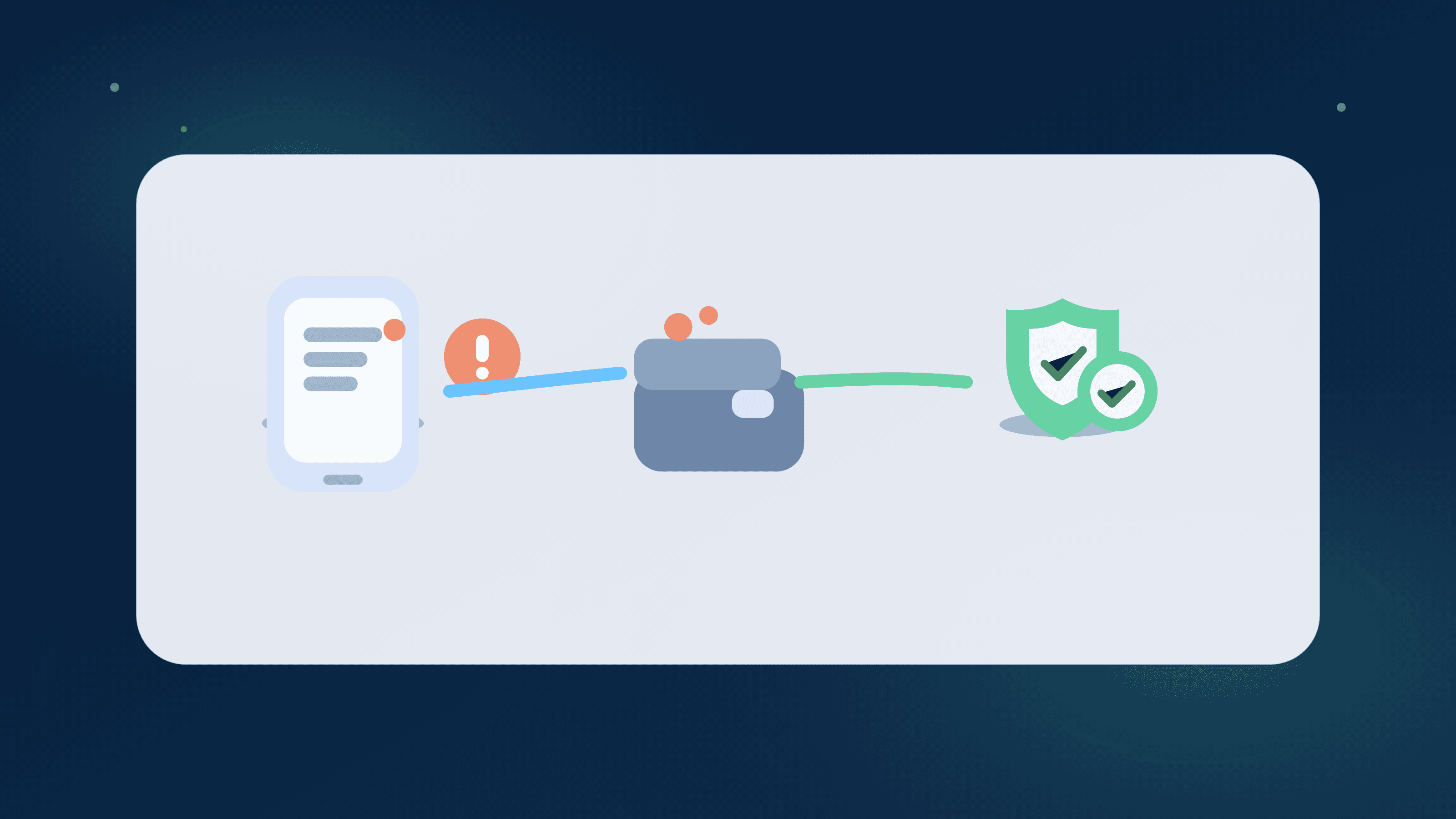
An insufficient-funds autopay failure feels urgent because it is urgent. One miss can trigger a late fee, a returned-payment fee, and a chain of bad decisions if you start moving money without a plan.
The fastest way out is to treat it as a sequencing issue: decide what must clear first, stabilize your core obligations, and set one recurring timing fix before the next due date lands.
What failed autopay really tells you
It usually means the bill and cash-arrival windows were misaligned by a day or two, not that your monthly math is impossible.
You don't need a full budget reset right now. You need a clean priority list for this week and a tighter due-date map for next week.
First 24 hours: recover without making it worse
Call or update the creditor first so the payment path is clear, then move only the amount required for high-priority obligations. Don't spray transfers across every account.
Check pending transactions before re-running autopay. A second attempt can fail again if a card hold is still unresolved.
How to prevent the repeat next month
Shift at least one high-risk recurring draft away from your tightest pre-payday window. If date changes aren't possible, raise the bill account buffer floor.
Set a 7-day recurring review so you'll see risk before autopay runs, not after.
Household version: stop blame, fix the lane
If more than one person spends from related accounts, set one owner for missed-autopay recovery and one shared checklist for who updates what.
You can disagree about spending style and still align on this week's payment order. That's the part that keeps fees from stacking.
Missed autopay recovery checklist
- Identify which missed payment carries the highest immediate fee or service risk.
- Confirm whether the merchant will retry automatically or needs manual payment.
- Move only the required amount after checking pending holds and same-day debits.
- Adjust one recurring due-date or buffer rule before the next cycle.
Helpful next reads
Two real recovery scenarios
Example 1: Utility miss three days before payday
A $148 electric autopay fails on Tuesday with payday on Friday. The user first clears utilities and insurance, pauses a $62 discretionary transfer, then re-runs payment the same day.
One late fee is avoided and no additional NSF chain is triggered.
Example 2: Shared household account with two drafts pending
Rent insurance ($34) and internet ($88) both try to draft after groceries post. The household temporarily shifts internet to card for this cycle and moves $150 into the bills lane.
Core services stay active, and next month's review adds a $200 minimum buffer floor.
Common mistakes
- Moving money before checking pending debits, then bouncing again 24 hours later.
- Paying lower-priority bills first because they're smaller, while higher-penalty obligations stay missed.
Pro tips
- Create one emergency payment order list now so you don't improvise under stress next time.
- Use a dedicated bills buffer account when autopay risk is concentrated in one week.
How Stitch helps
Stitch combines recurring due dates, pending transactions, and cash-flow context so missed-autopay recovery is based on live data instead of guesswork.
Patch keeps household decisions aligned when multiple people influence spending, so one person isn't fixing payment misses blind.
Frequently asked questions
Should I retry autopay immediately after it fails?
Only after confirming pending debits and available balance timing. Immediate retries can fail again if holds haven't cleared.
Which missed payment should I fix first?
Start with the one carrying the highest penalty or service-disruption risk, not simply the smallest amount.
Can a single failed autopay hurt my credit?
Short delays often don't report immediately, but repeated misses can escalate. Confirm your provider's reporting timeline.
How much buffer should I keep for autopay?
Keep at least your next 7 days of fixed drafts plus a small margin for timing drift.
How do couples handle this without arguments?
Use one shared payment-priority checklist and assign a temporary owner for the recovery sequence.
How does Stitch reduce repeat autopay misses?
It keeps recurring timing and transaction state visible in one place so fixes happen before next cycle, not after.