
Practical guide
Income & taxes in plain English: plan your cash flow with confidence
Why gross isn't reality, how to think in take-home, and how to plan bills around it.
Stitch Money Editorial Team · Published March 14, 2026
Editorial policy and correction standards
- Explains gross, withholding, and take-home without jargon
- Connects income timing to recurring bill planning
- Helps avoid cash-flow decisions based on inflated assumptions
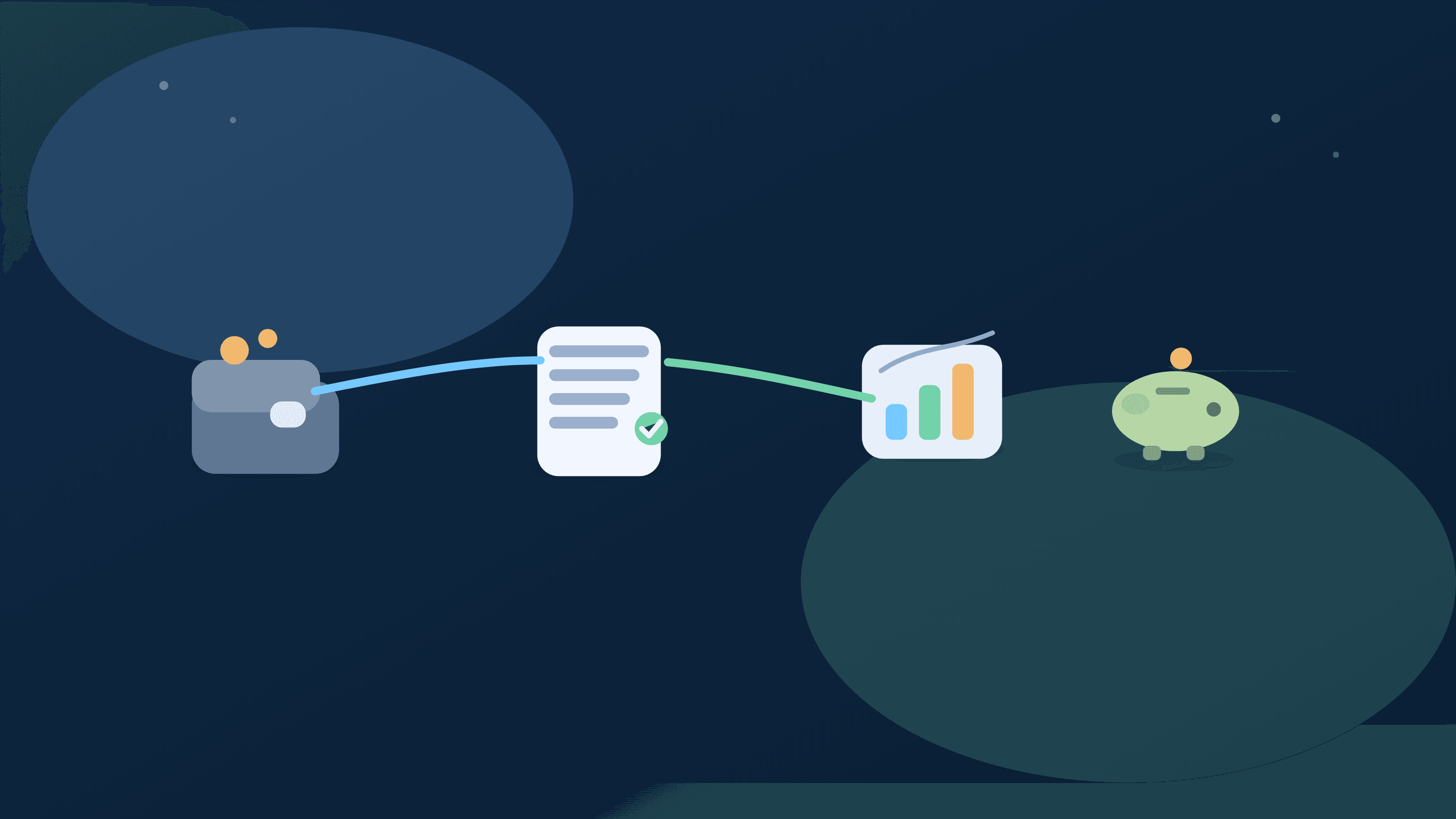
Income planning fails when people think in gross numbers but pay bills in take-home reality. Withholding, deductions, and variable compensation can make monthly cash availability differ from what salary headlines imply.
You don't need tax expertise to improve planning. Start by tracking net deposit timing, map recurring bills against those windows, and treat variable income as upside until it clears. This is educational guidance, not individual tax advice.
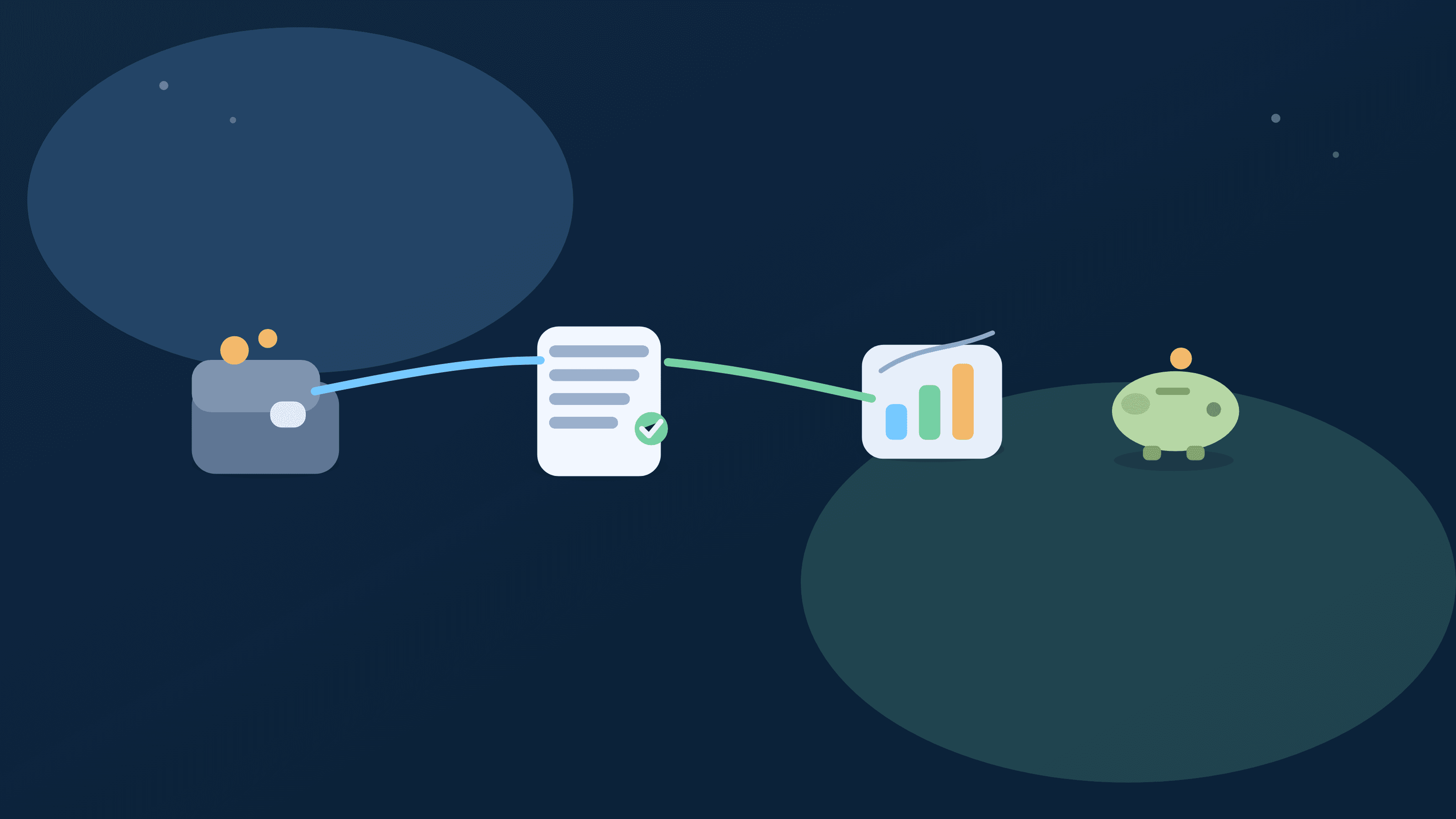
Gross versus take-home
Gross pay is pre-tax context, while take-home pay is the usable cash for bills, spending, and weekly decisions.
How withholding affects planning
Changes in withholding, benefits, or bonuses can alter net pay unexpectedly, so recurring plans must be updated when deposit patterns shift.
Map bills to net deposit windows
Plan recurring obligations against expected take-home deposit dates so essential payments align with actual inflow timing.
Treat variable income carefully
Commissions, overtime, and irregular payouts should be categorized as variable upside until deposited and confirmed in transactions.
Use a simple review cadence
Review Income & Taxes monthly and cash-flow weekly so both strategic and short-term decisions stay aligned.
Income and taxes cash-flow checklist
- Track actual net deposit amounts and deposit dates.
- Align recurring bills to those net-pay windows.
- Separate variable payouts from baseline planning income.
- Review withholding or deduction shifts after major pay changes.
Helpful next reads
Two net-pay planning adjustments
Example 1: Salary looks high, cash feels tight
Worker earning $92,000 assumes $7,666 monthly spend capacity, but net deposits average $5,520 after taxes and deductions. Recurring bills were set using the higher number.
Switching to take-home planning removes repeated month-end shortfalls.
Example 2: Bonus withholding surprise
A projected $5,000 bonus nets $3,050 after withholding. Household planned $4,200 of one-time spending before seeing net amount.
Using net confirmation before allocation prevents cash-flow stress.
Common mistakes
- Planning recurring obligations from gross salary estimates instead of net deposit reality.
- Treating variable compensation as guaranteed baseline cash before it lands.
Pro tips
- Rebaseline take-home assumptions quarterly using recent deposits.
- Keep a separate variable-income bucket so baseline planning remains conservative.
How Stitch supports income and tax-aware planning
Income & Taxes and Transactions make net deposit patterns visible, while Recurring and cash-flow views help align bill timing to actual inflows.
Spending and My Challenges can then target behavior adjustments that protect tight windows without overcomplicating your system.
Frequently asked questions
Should I plan from gross or take-home income?
Use take-home income for operational planning because it reflects actual available cash.
Why can net pay change if salary is the same?
Withholding, deductions, benefit elections, and variable compensation can change net deposits.
How should bonuses be treated in cash-flow planning?
Treat bonuses as variable upside until the net amount is deposited and confirmed.
How often should I update income assumptions?
Quarterly or whenever major compensation or deduction changes occur.
Is this tax filing advice?
No. This guidance is general education for cash-flow planning, not individual tax advice.
Can Stitch show Income & Taxes in one place?
Yes. Stitch includes an Income & Taxes view with linked transaction and cash-flow context.