
Comparison
If you want a Rocket Money alternative, compare the recurring workflow and the household workflow first
Stitch focuses on shared household visibility, recurring bills, and practical review. Rocket Money may fit better if you want its free-plus-premium model and subscription-management style.
Stitch Money Editorial Team · Published February 26, 2026
Editorial policy and correction standards
- Compare recurring bill workflows and pricing style fairly
- See where household support differs from a subscription-focused app
- Choose the tool that matches your everyday money routine
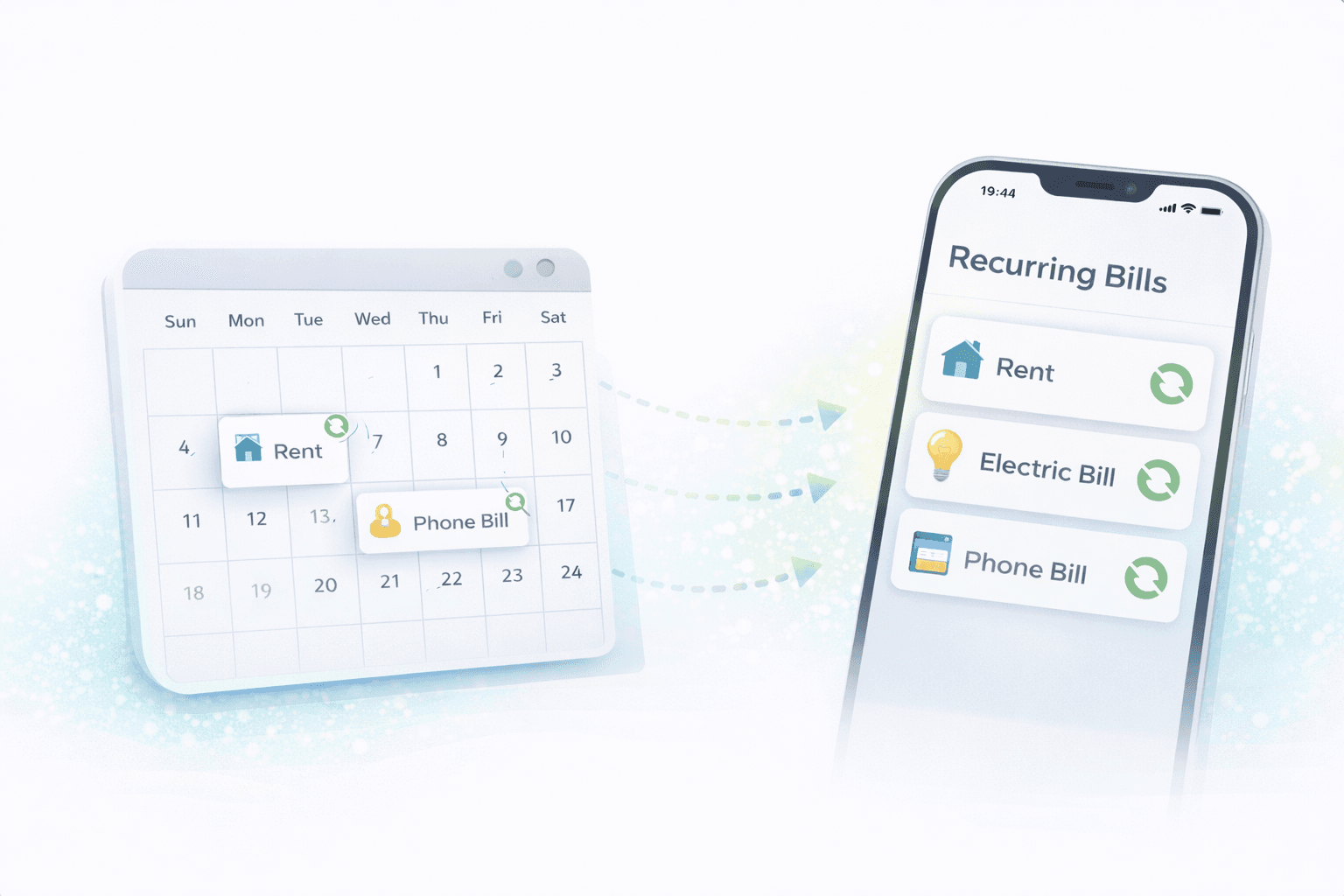
People looking for a Rocket Money alternative usually want one of two things: a different recurring-bill workflow, or a better fit for shared household money. That's why the right comparison starts with everyday use, not just marketing claims.
Stitch is built around Patch, shared transaction review, recurring bills, and household cash flow. Rocket Money may fit better if you want its free-plus-premium structure and a subscription-management-first style of experience.
Where the daily experience differs
Stitch is centered on household coordination: recurring bills, due-date visibility, transaction review, and visual reporting that supports a quick shared check-in. The workflow is designed around what changed and what's due next.
Rocket Money's public pricing and product pages emphasize budgets, recurring bill visibility, a calendar view, and optional Premium upgrades including shared Premium Partners access. That can be a strong fit for people who specifically want a subscription-management-oriented product style.
How to choose between them
If your main issue is shared household visibility across bills, transactions, and cash flow, Stitch is the more direct fit. If you prefer Rocket Money's free-plus-premium approach and that particular product model, it may suit your workflow better.
The deciding factor should be the review motion you will repeat: quick household check-ins in Stitch, or the budgeting and subscription-focused workflow you prefer elsewhere.
How to compare an alternative to Rocket Money
- Start by deciding whether recurring bills or shared household visibility is the larger problem.
- Compare pricing style, recurring views, and how each app handles shared access.
- Check whether you need a household-first workflow or a subscription-first workflow.
- Pick the tool you are most likely to review every week, not just the one with the most ad copy.
Helpful next reads
Two shoppers who need different answers
Example 1: Couple tracking bills together
A couple needs one place to see shared bills, household transactions, and a quick weekly review before payday. Their biggest pain is coordination, not just identifying subscriptions.
A household-first workflow like Stitch fits the problem more directly.
Example 2: User focused on a subscription-management-style flow
A user mainly wants a tool organized around budgets, recurring bills, and the free-plus-premium pattern already used by Rocket Money. The household component matters less than the familiarity of that model.
Rocket Money may stay the better fit if that workflow is already working well.
Common mistakes in Rocket Money comparisons
- Focusing only on headline pricing instead of checking which features and sharing model you actually need.
- Assuming every recurring-bill app handles household workflows the same way when the review experience can differ a lot.
Pro tips for choosing the better fit
- Start with the product flow you will actually use every week: bills, transactions, and shared context versus a subscription-first lens.
- Verify current pricing before switching, because plan details and feature packaging can change over time.
How Stitch positions itself in this comparison
Stitch is built around shared household visibility, recurring bills, transaction review, visual reporting, and a free starting point that can expand with Premium features like net worth. The product is designed to help households coordinate quickly.
That makes Stitch a strong alternative when the missing piece isn't just subscription awareness, but a clearer household operating view for money decisions.
Frequently asked questions
Is Stitch positioned exactly like Rocket Money?
No. Stitch leans into shared household workflows, while Rocket Money's public positioning emphasizes budgets, recurring bills, and its free-plus-premium model.
Which app is better for recurring bills?
Both surface recurring bills publicly, but the better choice depends on whether you want the recurring view inside a broader household workflow or a more subscription-oriented product style.
Does Stitch offer net worth tracking?
Yes. Stitch includes net worth tracking as a Premium feature.
Does Rocket Money have a free option?
Rocket Money publicly offers a free plan with optional Premium upgrades, based on its current pricing page.
What should I compare before switching from Rocket Money?
Compare pricing style, recurring bill workflow, shared household support, and whether the weekly review flow matches how you already manage money.
Why not compare only feature lists?
Because day-to-day product fit is mostly about workflow. The app that matches your recurring and household routine is the one you will keep using.