
Money news you can use
Debit card fraud lockdown checklist: what to do in the first 24 hours
A practical response plan to protect cash access, stop repeated charges, and keep essential bills from failing during account recovery.
Stitch Money Editorial Team · Published March 17, 2026
Editorial policy and correction standards
- Breaks response into immediate, same-day, and next-day actions
- Includes recurring-bill continuity steps during card replacement
- Helps households coordinate safely without panic
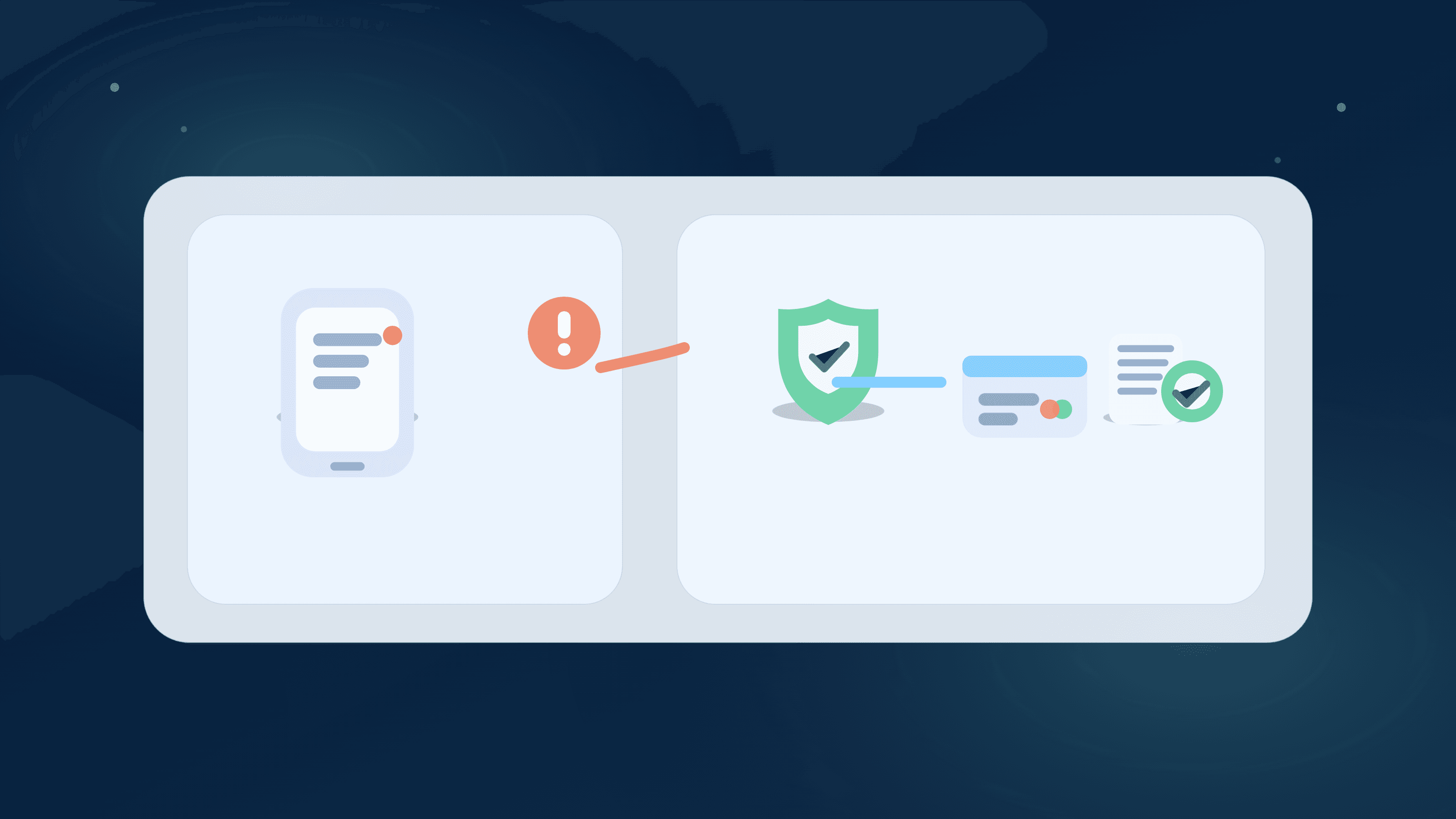
When a suspicious debit appears, people often jump to card lock actions but forget bill continuity. Then utilities, subscriptions, or rent-linked payments fail while the card issue is still being resolved.
The better approach is a two-lane response: security lane and continuity lane. Secure the compromised card immediately, then verify which essential recurring payments need rerouting so the recovery week doesn't create secondary damage.
First 30 minutes: containment
Lock the card, review recent activity, and document unknown transactions. Contact your institution through verified channels, not links from texts or emails.
If account access is compromised, update credentials and enable stronger authentication before handling less critical cleanup tasks.
First 6 hours: continuity planning
List essential recurring payments expected in the next seven days. Decide which need immediate rerouting to avoid service or fee issues.
Create temporary payment rules while replacement card details are pending.
First 24 hours: household alignment
If bills are shared, announce one verified status update with clear next actions. Mixed messages lead to duplicate transfers and missed obligations.
Document what changed so both people know which payment methods are safe and current.
Post-incident cleanup
After the immediate risk is controlled, run a transaction sweep for merchant drift, duplicate retries, and old failed-autopay retries.
A cleanup pass keeps monthly reports accurate and restores trust in your recurring timeline.
Fraud lockdown checklist
- Lock card and report suspicious transactions through verified institution channels.
- List essential recurring bills due in the next seven days and reroute if needed.
- Notify household partners with one clear status and action plan.
- Run a post-incident transaction cleanup for retries, duplicates, and merchant drift.
Helpful next reads
Two fraud-response examples
Example 1: Unknown $312 debit plus upcoming utility drafts
A user spots a $312 unauthorized debit Friday night. Internet and power autopays totaling $246 are due Monday on the same compromised card.
Immediate lock plus temporary reroute prevents service disruption while dispute proceeds.
Example 2: Shared household with mixed card lanes
One partner's debit card is compromised, but shared grocery and childcare debits route through both partners' cards across the week.
A single Patch update and reassigned payment owner list prevents duplicate panic transfers.
Common mistakes
- Focusing only on dispute filing while ignoring near-term recurring obligations.
- Responding through links in suspicious texts rather than verified institution channels.
Pro tips
- Keep a pre-written emergency list of critical merchants and due dates for fast rerouting.
- Use one shared household status note so everyone acts from the same verified information.
How Stitch helps
Stitch gives users a clear view of recurring obligations and transaction activity so security response doesn't break bill continuity.
Patch supports coordinated household actions with shared visibility while still respecting privacy boundaries.
Frequently asked questions
What's the first thing to do after spotting a suspicious debit?
Lock the card and report the charge through verified institution support channels.
Should I change all recurring payment methods immediately?
Prioritize critical bills due soon, then phase the rest to avoid mistakes.
How do I avoid missed bills during card replacement?
Run a seven-day recurring list and reroute only what must clear before replacement details arrive.
Do shared households need a response protocol?
Yes. One shared status update and owner list reduces confusion and duplicate actions.
Should I trust links in fraud alert texts?
No. Use official app or website channels you initiate yourself.
How does Stitch help after a fraud alert?
It helps you verify transactions and recurring obligations quickly so recovery actions stay organized.