
Tax and money news
Payment scams are soaring in 2026—here's what new 'STOP Fraud' ideas could change (and how to protect your money now)
A plain-language look at policy debate and a practical defense checklist for authorized-payment scams happening right now.
Stitch Money Editorial Team · Published March 19, 2026
Editorial policy and correction standards
- Explains why authorized-payment scams are so hard to reverse
- Summarizes hold-time policy debates without legal jargon
- Gives immediate household controls that reduce transfer risk
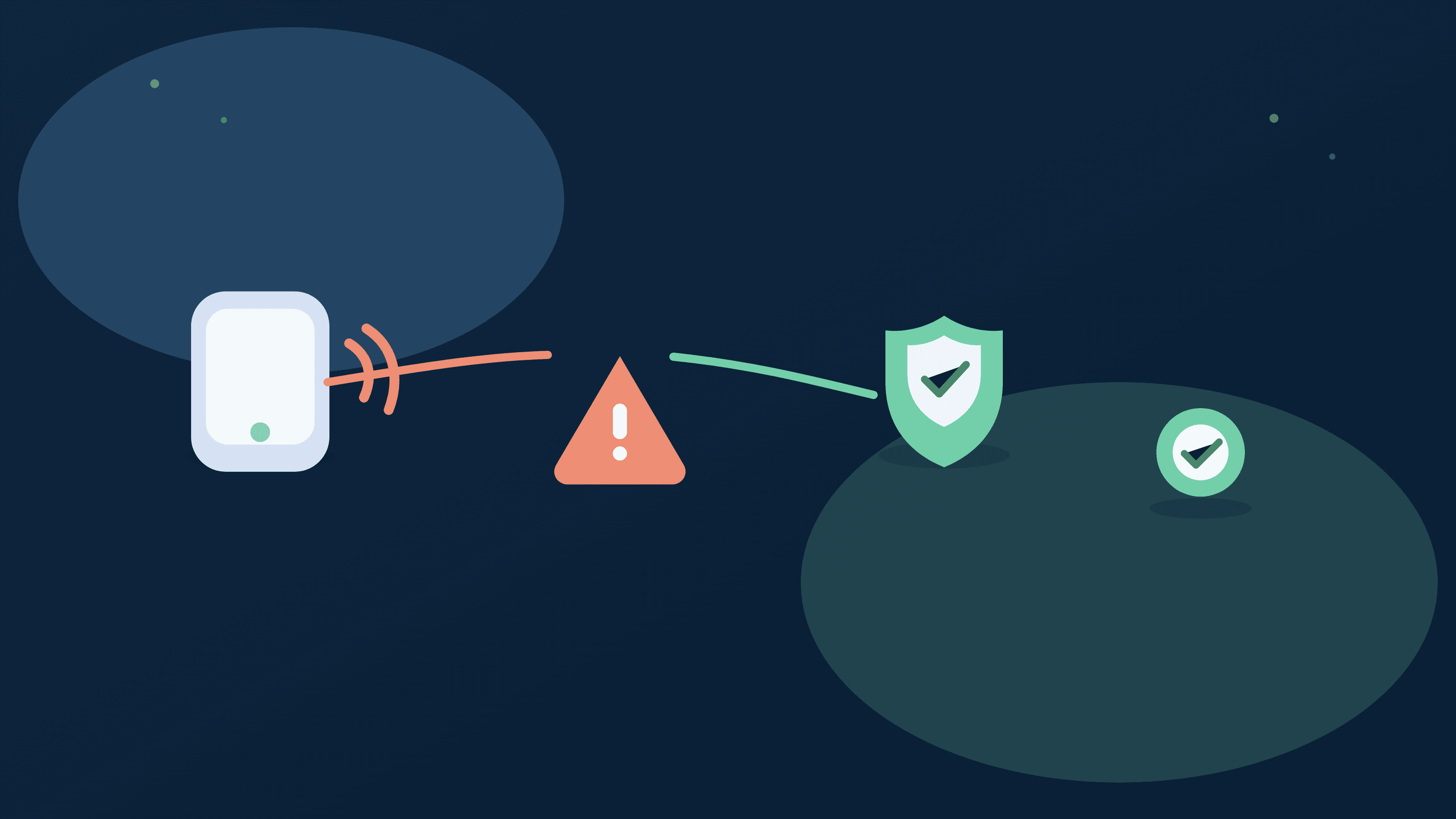
Payment scams now look polished, fast, and frighteningly believable. The hardest cases are authorized-payment scams, where a real person is manipulated into sending real money. Once that happens, recovery can be much harder than standard card fraud.
Policy debates around hold windows and liability are important, but your day-to-day protection still comes from habits: verification rules, transfer friction, and immediate response when something feels off.
Why authorized-payment scams still work
Scammers create urgency and close your decision window. If you send funds before verifying through a trusted channel, the scam succeeds even if you realize it minutes later.
That's why pause-and-verify behavior matters as much as passwords and device security.
What hold-time proposals are trying to fix
Some policy proposals focus on giving banks more room to delay suspicious payments. The idea is straightforward: more time can interrupt scam pressure and stop irreversible transfers.
The tradeoff is added friction for legitimate payments, so implementation details matter: trigger rules, customer notice, and exceptions.
A practical defense stack for households
Enable transfer alerts, lower default limits, and add new-payee checks where your bank supports them. For larger transfers, require out-of-band verification every time.
Any request that combines urgency with secrecy should be treated as suspicious until independently confirmed.
What to do in the first 30 minutes after suspected fraud
Call your bank's fraud line immediately and ask about hold or recall options. Save every message, transfer reference, and timestamp while details are fresh.
Then secure account access points, rotate credentials, and document the full timeline for follow-up.
Payment-scam defense checklist
- Require independent verification for money requests over your chosen threshold.
- Enable alerts for new payees, transfer-limit changes, and large outbound payments.
- Keep default transfer limits lower and raise temporarily only when needed.
- If scammed, call immediately, request hold/recall actions, and preserve evidence.
Helpful next reads
Two scam-prevention scenarios
Example 1: Fake bank-security transfer request
A caller impersonates fraud staff and demands a same-hour transfer to a "safe account." The customer hangs up, calls the number on the card, and confirms no such action is required.
One verification step prevents a five-figure authorized-loss event.
Example 2: Contractor invoice redirection scam
A household receives updated wiring instructions minutes before a renovation payment. They require voice confirmation with a known contact and discover the email account was compromised.
Payment is delayed one day but fraud loss is avoided completely.
Common mistakes
- Treating inbound calls or texts as identity proof for urgent money movement instructions.
- Leaving high transfer limits and no new-payee alerts enabled on primary checking accounts.
Pro tips
- Use a dedicated bill-pay account with constrained balance for routine outbound transfers.
- Write a household verification rule and rehearse it so no one improvises under pressure.
How Stitch helps reduce scam-loss exposure
Stitch gives you fast visibility into outgoing and unusual transactions, which makes incident response faster when something looks wrong.
Patch helps households apply consistent transfer-verification rules so decisions aren't made ad hoc under pressure.
Frequently asked questions
Why are authorized-payment scams hard to recover?
Because the consumer initiated the payment, protections can differ from unauthorized-card fraud cases and recovery options may be narrower.
Would longer bank holds eliminate scams?
They may reduce some losses by creating review time, but scammers adapt, so personal verification controls still matter.
What's the fastest first action after sending money to a scammer?
Call your bank fraud line immediately and request hold or recall actions while preserving full transaction evidence.
Should I disable all digital transfers to stay safe?
Usually no. Better approach: lower limits, alerts, verification rules, and dedicated account lanes for outbound payments.
How can couples protect shared funds from social engineering?
Use a two-person verification rule for larger transfers and never approve urgent requests from inbound contacts alone.
What phrase in a request is the biggest red flag?
Any instruction combining urgency with secrecy should trigger immediate independent verification before money moves.