
Money news you can use
Three-paycheck month plan: make the extra cycle reduce future stress
A practical allocation method for households that want to use an extra paycheck window without creating new recurring obligations.
Stitch Money Editorial Team · Published March 17, 2026
Editorial policy and correction standards
- Shows how extra-paycheck months can fix timing pressure
- Uses a buffer-first allocation before discretionary upgrades
- Includes household coordination rules for shared goals
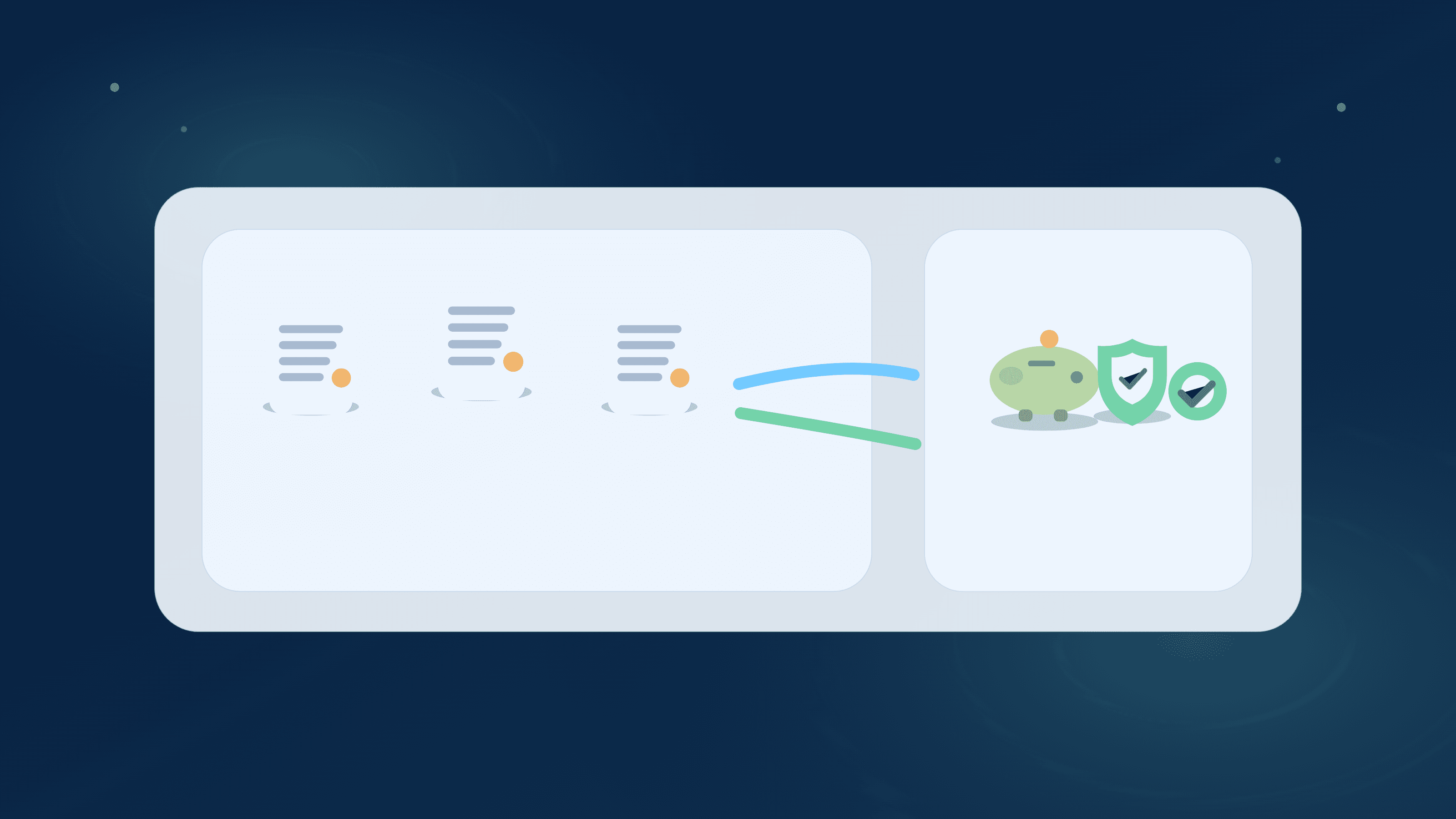
Three-paycheck months can feel like relief, then disappear with little long-term benefit. That usually happens when the extra cycle gets treated as ordinary spending money instead of strategic timing leverage.
If you decide allocations in advance, one extra paycheck can lower stress for several months. The goal isn't restriction; it's turning a calendar quirk into a smoother recurring and cash-flow baseline.
What an extra paycheck is really for
For most households, the best use is strengthening weak points: bill buffer, high-interest debt pressure, and upcoming annual obligations.
Using the full amount for new lifestyle commitments usually increases fixed burn and erases the timing advantage fast.
Three-bucket allocation that stays practical
Use three buckets: stability, obligations, and optional. Stability covers buffer. Obligations handles debt or known annual hits. Optional can fund guilt-free discretionary goals.
The split can vary, but writing it before payday is what keeps execution clean.
How couples avoid allocation conflict
Shared households should define what percentage goes to shared stability versus personal discretion before the deposit arrives.
This keeps the discussion collaborative and prevents post-deposit resentment.
Avoiding recurring creep after a strong month
Extra-paycheck months can tempt permanent upgrades: new subscriptions, larger dining baseline, or higher shopping rhythm.
If you add new recurring lines, require a written tradeoff so total fixed outflow stays controlled.
Three-paycheck month checklist
- Set your allocation percentages before the extra paycheck posts.
- Fund bill buffer and near-term obligations first.
- Decide discretionary allocation only after stability targets are met.
- Run a one-month follow-up to verify fixed spending didn't drift upward.
Helpful next reads
Two extra-paycheck outcomes
Example 1: Buffer-first plan
Extra paycheck is $2,350. Household allocates 55% to buffer, 30% to debt principal, and 15% to discretionary goals.
Next two pre-payday windows are noticeably less stressed, with no new recurring burden.
Example 2: Unplanned spend
Extra paycheck of $2,100 gets absorbed into untracked discretionary spending plus two new subscriptions.
Within six weeks, cash pressure returns and fixed monthly burn is higher than before.
Common mistakes
- Treating an extra paycheck as permanent monthly income.
- Adding new recurring commitments before reinforcing buffer and obligations.
Pro tips
- Use a written three-bucket split so decisions don't drift under emotion.
- Revisit the plan one month later to confirm stress reduction actually happened.
How Stitch helps
Stitch connects recurring due dates, transaction behavior, and cash-flow windows so extra-paycheck allocation can be measured, not guessed.
Patch helps households align shared and personal allocation choices without merging everything into one decision lane.
Frequently asked questions
Should extra paycheck money go entirely to debt?
Not always. Most households do better with a mix of stability, obligations, and some discretionary allocation.
Is a three-paycheck month 'extra income'?
It's usually timing-based, not a permanent income increase.
How much should go to buffer?
Set enough to improve your tight-week reliability; many households start around half.
Can couples split extra paycheck decisions fairly?
Yes, by agreeing in advance on shared versus personal percentages.
What's the biggest risk after an extra-paycheck month?
Lifestyle creep through new recurring commitments.
How does Stitch help keep gains?
It tracks recurring and spending behavior so you can confirm whether stability actually improved.