
Money explainer
How to build a bill buffer (get one paycheck ahead)
A practical step-by-step to stop living payment-to-payment, even if you can only save $20 at a time.
Stitch Money Editorial Team · Published March 5, 2026
Editorial policy and correction standards
- Build a small bill buffer without waiting for a perfect month
- Move toward being one paycheck ahead in practical steps
- Use recurring timing to protect the progress you make
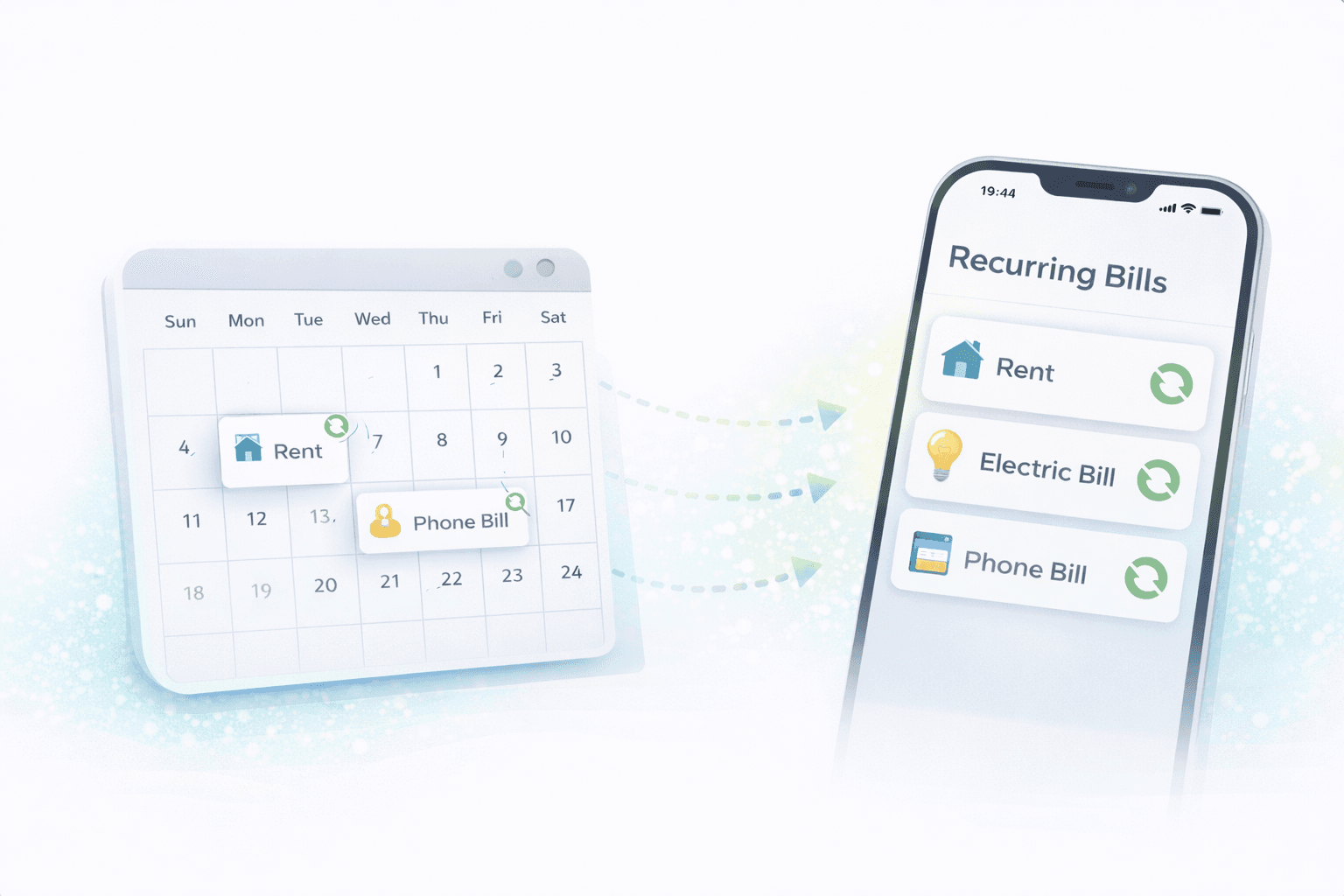
A bill buffer is the gap between your bills and the paycheck they would otherwise be waiting on. Getting one paycheck ahead doesn't mean becoming rich overnight. It means creating enough breathing room that next week's bills are funded by money already in the account.
That's why even a tiny buffer matters. The first $20 isn't trivial. It's the start of breaking the pattern where every bill is emotionally tied to the exact deposit that hasn't hit yet.
What a bill buffer actually does
A buffer gives you time. It lets recurring bills hit without turning every due date into a race against payroll timing. That alone reduces late fees, overdraft risk, and the constant need to re-check the balance.
It also changes decision-making. When a bill is already covered by money that's sitting there, a short delay in pay or a slightly higher utility bill becomes manageable instead of chaotic.
Why 'one paycheck ahead' is a useful milestone
Being one paycheck ahead is a practical target because it's concrete. It means the bills in front of you are funded by money already earned, not by a paycheck that still needs to arrive on time.
That's easier to maintain than a vague savings goal because you can feel the operational difference immediately. The month gets less fragile before it gets glamorous.
How to build it in small, repeatable steps
The fastest path is rarely one giant transfer. It's a series of small wins: hold back $20, keep the next reimbursement in the account, let one lower-than-usual grocery week stay untouched, and avoid spending every slight surplus immediately.
Small amounts matter because the buffer's first job is timing protection, not long-term investing. Even modest progress changes which bills can clear without a scramble.
Protecting the buffer once it starts working
A buffer can disappear quickly if it's treated like generic extra cash. Its job needs to be clear: absorb bill timing, not fund random upgrades the moment the balance looks less scary.
That's why recurring visibility matters. When you can see what's due next, you are less likely to spend the exact cushion those bills were about to use.
A step-by-step way to build a bill buffer
- Pick a first target that's small and specific, such as $50 or one medium recurring bill.
- Move a fixed amount each pay cycle, even if it's only $20 or $25.
- Use unexpected small wins, like a lower utility bill or reimbursement, to accelerate the buffer instead of absorbing them into normal spend.
- Keep watching the due-soon recurring list so the buffer is used for timing protection, not random impulse spending.
Helpful next reads
Two timelines that show small progress compounding
Example 1: Saving $20 at a time over 6 weeks
A household saves $20 from each of six pay events and adds one $35 reimbursement they would normally spend right away. After six weeks, they have $155. That's enough to absorb the $82 internet bill and still leave a partial cushion for the next utility draft.
The buffer is small, but the month already feels less like every bill is waiting at the door.
Example 2: Reaching one-paycheck-ahead in 8 weeks
A couple starts with no cushion, then holds back $75 from each biweekly check and captures two lower-spend weeks worth another $110 total. After eight weeks they have about $410, which covers most of the smaller bills that used to depend on the next paycheck landing on time.
They aren't fully ahead on every bill yet, but the highest-friction timing gaps are already easier.
Common mistakes when building a bill buffer
- Waiting for a perfect surplus month before starting instead of protecting smaller amounts right away.
- Treating the buffer like generic extra spending money the moment the account balance looks less tight.
Pro tips for making the buffer stick
- Build the first cushion against one recurring bill category, because targeted wins feel real faster than vague progress.
- If income is variable, treat any above-baseline week as a chance to strengthen the buffer before lifestyle creep absorbs it.
How Stitch helps you build and protect the buffer
Stitch helps by keeping the due-soon recurring list, the upcoming bills calendar, and the weekly cash-flow picture in one place. That makes it easier to see which bills still need the next paycheck and which ones the growing buffer can already absorb.
As the cushion grows, Stitch also makes it easier to avoid misusing it. When the household can see what's due next, the buffer is more likely to stay dedicated to timing protection instead of disappearing into random spend.
Frequently asked questions
What's a bill buffer?
A bill buffer is money that sits ahead of your next recurring bills so those bills aren't fully dependent on the next paycheck landing on time.
What does being one paycheck ahead mean?
It means the next set of bills is funded by money already in the account rather than by income that still has to arrive.
Can I build a buffer if I only have $20 at a time?
Yes. Small amounts still matter because the first job of a buffer is reducing timing stress, not instantly covering the whole month.
How long does it take to get one paycheck ahead?
It depends on income and bills, but many households feel a real difference once they can cover even one or two recurring bills ahead of schedule.
Should the buffer live in the main checking account?
For bill timing, it usually needs to be accessible where the bills draft, or at least easy to move without delay.
How does Stitch help with this goal?
Stitch shows what's due soon, which recurring bills still need funding, and how your weekly cash flow changes as the buffer starts doing its job.