
Money explainer
Safe to spend, explained (without the stress)
A simple way to know what you can spend today after bills and essentials — and what to do when it looks 'wrong'.
Stitch Money Editorial Team · Published March 5, 2026
Editorial policy and correction standards
- Use a simple, repeatable short-term spend method
- Understand why the number can look wrong even when the idea is sound
- Turn it into a fast weekly routine instead of a daily spiral
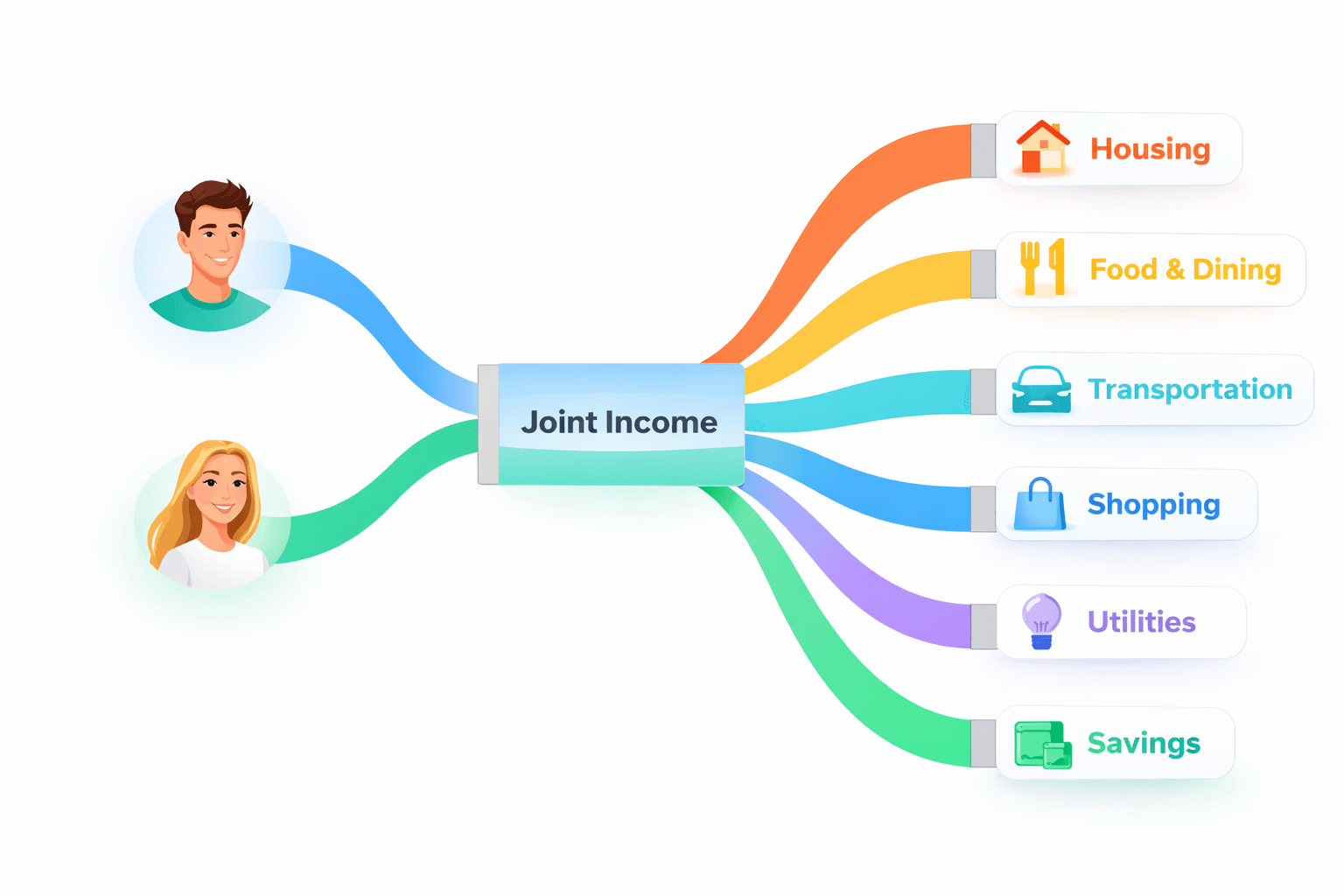
Safe to spend is a short-term planning question, not a character test. The goal is to estimate what you can spend today after the bills and essentials due before your next income are already spoken for. That's why the concept feels calming when it's right and frustrating when it's not.
The clean version is simple: start with the money that's actually available, subtract what must clear before the next paycheck, and leave a buffer. The messy version happens when transfers, bad bill assumptions, or missing income make the math lie to you.
The simple method
Start with the truly available cash in the account you are spending from. Then subtract the recurring bills, card minimums, and essential spending you know must happen before the next paycheck.
After that, leave a buffer that stays untouched for small surprises. Whatever remains is the short-term 'safe' number. It's not glamorous, but it's usually more reliable than guessing from the raw balance.
Why the number can look wrong
It often looks wrong when a bill due soon was not included, a paycheck was missed, or money-moving transactions like transfers and credit card payments were treated as fresh spending or fresh income.
The concept doesn't fail because the wording is flawed. It fails because the ingredients underneath it are messy. That's why a short sanity check is part of the process, not an optional extra.
What it should help you decide
A safe-to-spend figure should help you answer small timing decisions: can we eat out tonight, can I place the $48 order now, or should this wait until the next paycheck. It's not meant to answer the entire monthly budget in one line.
The most useful way to use it's as a short-term throttle. It tells you how open the next few days really are after the known obligations are already carved out.
When to stop trusting the headline number
If the number jumps wildly from one day to the next, or looks too high relative to your known bills, stop and inspect the bill list and transaction logic. That's a sign the input model needs a cleanup before the summary can guide real decisions.
You don't need to abandon the concept. You just need to trace the error at the source so the short-term answer becomes believable again.
A weekly routine for using safe-to-spend calmly
- Review the next paycheck date and treat it as the end of the current safe-to-spend window.
- Subtract bills and essentials due before then, not every bill in the whole month.
- Leave a fixed floor or buffer so one surprise doesn't wipe out the plan.
- If the number looks odd, verify bills, income detection, and transfer handling before you use it.
Helpful next reads
Two ways the simple method plays out
Example 1: Stable pay, short spending question
There's $760 in the main checking account, rent is already paid, and before the next paycheck only the $86 internet bill, $110 groceries, and $95 card minimum still matter. After a $150 buffer, the household has roughly $319 of short-term flexibility.
That number is useful because it answers the next few days instead of pretending the full $760 is open.
Example 2: The number looks too generous until the bills are fixed
An app says there's $540 safe to spend, but it missed a $240 daycare auto-pay in three days and counted a $300 transfer from savings as fresh income. Once those are corrected, the real short-term room drops closer to zero.
The summary changes fast when the underlying bill and transfer logic is wrong.
Common mistakes with safe-to-spend math
- Subtracting every monthly bill at once instead of focusing on what must happen before the next income window.
- Using the headline number without checking whether transfers, pending bills, or missing paychecks are distorting it.
Pro tips for lower-stress use
- Keep one fixed buffer number so you aren't renegotiating the safety floor every week.
- Use the number for yes-or-wait decisions, not as a replacement for reviewing categories and recurring bills.
How Stitch helps you use the concept without obsessing over it
Stitch makes safe-to-spend easier to ground in real data by showing recurring bills, upcoming timing, and the transaction details that often break the math when they are miscategorized. That means the short-term answer can be checked instead of blindly trusted.
You can use Stitch to review what's due, confirm what counts as spending, and compare the week against the next deposit. That's often enough to get the same practical clarity without treating the summary like magic.
Frequently asked questions
What does safe to spend actually mean?
It usually means what you can spend before the next paycheck after the bills and essentials in that short window are already set aside.
Why is safe to spend different from my account balance?
Because your account balance still includes money that upcoming bills and essentials may already need. Safe to spend tries to remove that illusion.
Why does the number sometimes look too low or too high?
It usually means the app included or excluded the wrong things, such as a missed bill, a missing paycheck, a transfer, or a misread credit card payment.
Should I use safe to spend every day?
You can glance at it, but most people do better with a short weekly review so they aren't reacting to every tiny movement in the number.
Does the method work for couples too?
Yes, especially when both people can see the same upcoming bills and the same short-term timing window.
What's the easiest way to trust the number more?
Verify what's due before the next paycheck, remove transfers from the spend math, and keep a fixed buffer so the result stays grounded.