
Practical guide
The payday stress cycle: why money feels tight right before payday
It's timing and bill clustering—not you. Here's how to see it clearly.
Stitch Money Editorial Team · Published March 14, 2026
Editorial policy and correction standards
- Explains why pre-payday stress repeats even with decent income
- Shows bill clustering and timing gaps in plain language
- Gives a short routine to break the cycle week by week
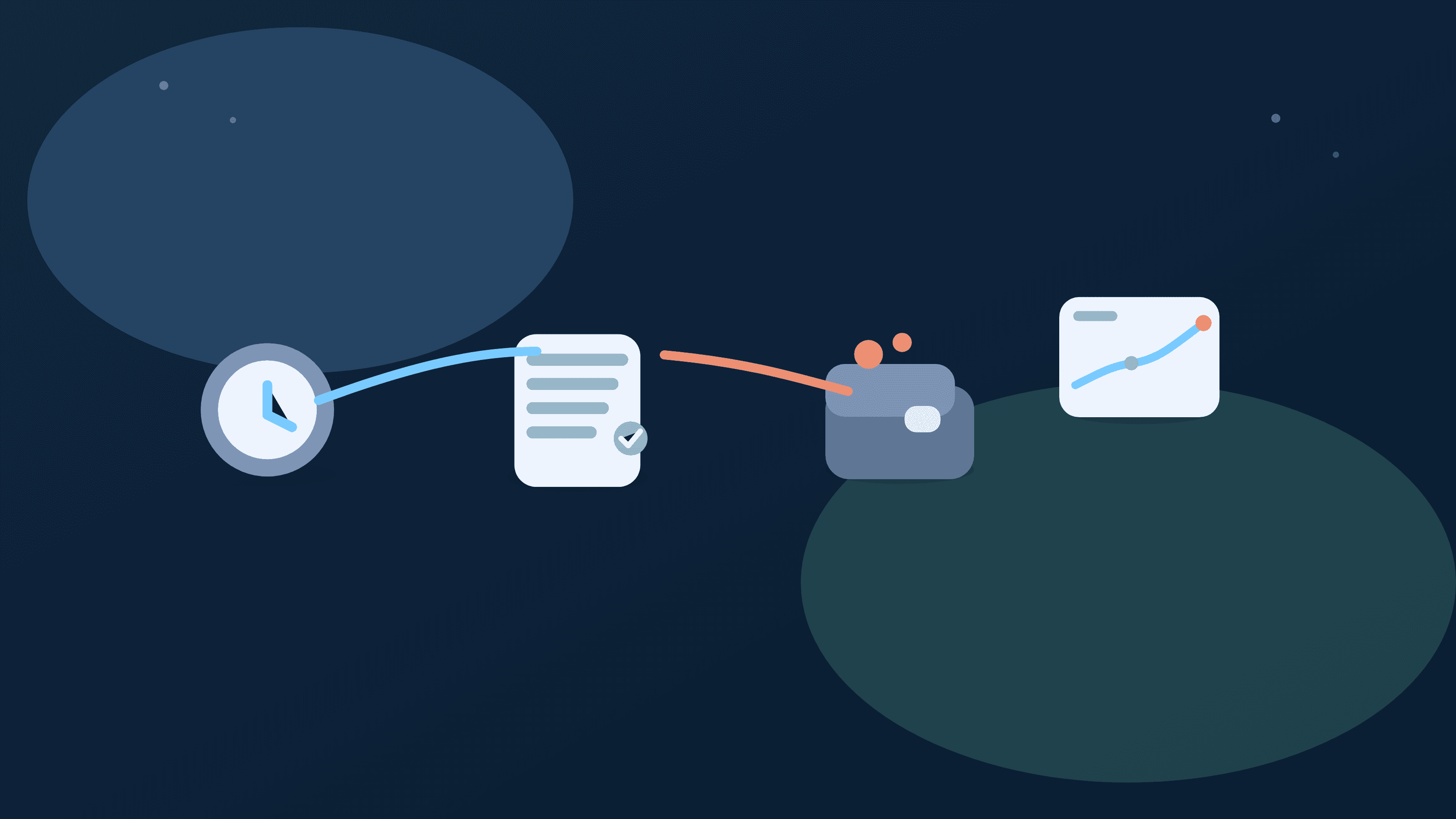
The payday stress cycle looks like this: income arrives, spending feels manageable, then three to six days before the next paycheck everything feels tight. That pattern is common and usually driven by timing, not by a lack of discipline.
Bills cluster, variable charges post late, and available cash gets overstated in your head. The fix is to run decisions through a short payday window: what has to clear before income lands again, and what can wait.
How the cycle forms
Stress builds when recurring obligations draft in clusters, especially when discretionary spend happens before seeing the next due-date window clearly.
Why monthly budgets can miss it
Monthly totals flatten timing; they hide whether obligations hit in week one or week four, which matters most for day-to-day cash stress.
Use Payday in X days framing
Treat days until next paycheck as your planning boundary and subtract obligations due inside that exact window before optional spending decisions.
Adjustments that break the loop
Delay one discretionary purchase, move one transfer, or shift one due date where possible; small timing edits can collapse recurring stress quickly.
Build a tiny cycle buffer
Even a modest dedicated pre-payday buffer can absorb variable charges and prevent one tight week from becoming a fee cascade.
Payday stress reset checklist
- Mark days until next paycheck and define the current planning window.
- List bills and recurring drafts due before that date.
- Protect a minimum buffer floor before optional spending.
- Choose one timing adjustment for the current cycle.
Helpful next reads
Two payday stress cycles decoded
Example 1: Biweekly pay, clustered essentials
With payday in 7 days, rent extension payment $420, phone $96, and insurance $188 all hit before deposit. Available cash feels high at $960, but window obligations consume most of it.
A pre-window check prevents overspending and avoids overdraft.
Example 2: Variable commission delay
Expected commission of $1,100 arrives two days late while groceries and utility drafts clear first. Planning from cleared income and due dates reduces stress-driven last-minute borrowing.
Cycle remains stable despite delayed inflow timing.
Common mistakes
- Using account balance alone as the spend signal without subtracting near-term obligations.
- Assuming the same pre-payday stress will disappear next cycle without changing timing workflow.
Pro tips
- Make the seven-day pre-payday check a fixed weekly ritual.
- Keep one running list of recurring drafts due before each paycheck to reduce decision noise.
How Stitch helps break the payday stress loop
Dashboard timing context, Recurring due lists, and Transactions history make pre-payday obligations easy to see and verify in one workflow.
Spending and cash-flow views show what changed between cycles so improvements can be measured instead of guessed.
Frequently asked questions
Why do I feel broke before payday every month?
Recurring bill clustering and timing gaps usually create the cycle, even when monthly income is sufficient.
Is this a budgeting problem or a cash-flow problem?
Often both, but timing and cash-flow windows are usually the immediate trigger.
How many days ahead should I check bills?
A 7- to 10-day horizon catches most pre-payday risks in time.
Can small timing changes really help?
Yes. Moving one due date or delaying one optional spend can materially reduce cycle pressure.
What if my income is variable?
Plan from conservative cleared income and maintain a larger pre-payday buffer.
Which Stitch section should I open first?
Start with Recurring due dates, then validate posted transactions before making changes.