
Money news you can use
Safe-to-spend math check: why the number looks wrong (and how to verify it)
A plain-English verification method for people who want confidence before spending, especially in uneven pay cycles.
Stitch Money Editorial Team · Published March 15, 2026
Editorial policy and correction standards
- Shows the exact assumptions that usually break safe-to-spend outputs
- Works for fixed-pay and variable-income households
- Helps you separate data issues from real spending limits
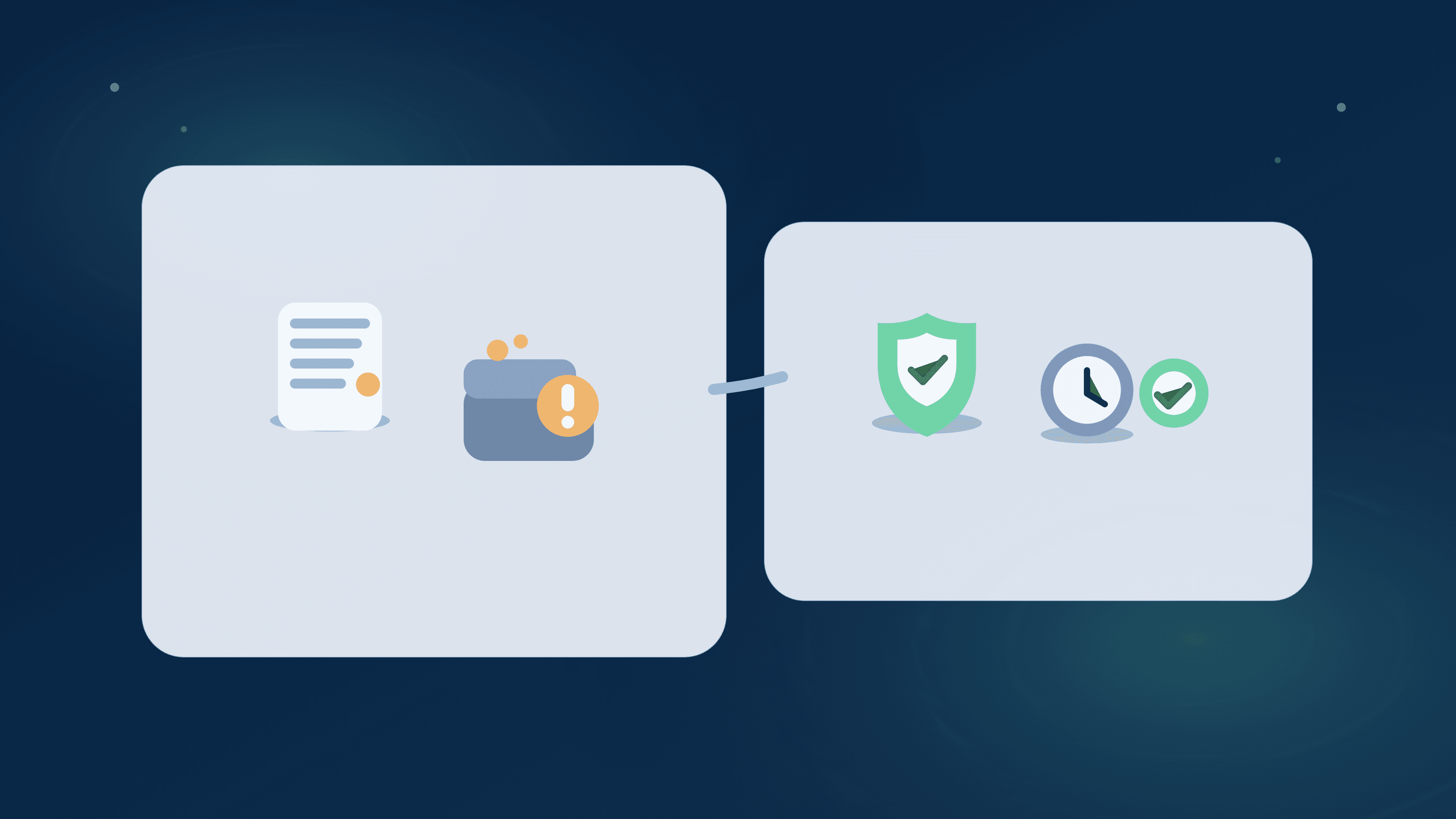
People trust safe-to-spend numbers until one week they don't match reality. That's usually when a transfer was counted like income, a recurring date shifted, or a large payment was treated as new spending.
You don't need complex formulas to validate the result. You need to test the assumptions in order: upcoming obligations, net inflow timing, and known data distortions.
What safe-to-spend includes and excludes
A useful number includes bills due before next income and expected essentials. It should exclude internal transfers and one-off accounting artifacts.
If the model mixes movement and true spending, the output can look dramatically tighter or looser than reality.
The three-check math audit
Check one: recurring obligations due in the next 7 to 10 days. Check two: expected net income timing. Check three: recent transactions likely misclassified as income or spend.
Run this audit before making a large discretionary decision when timing is tight.
Why variable income needs a conservative baseline
For freelance or commission users, safe-to-spend should assume the minimum expected pay, not optimistic upside.
Treat upside as bonus room only after deposits clear. That approach avoids 'surprise broke' weeks.
How to keep confidence week to week
Use a standing weekly check to catch recurring drift and classification errors before they compound.
When the model and lived experience diverge twice in a row, perform a full transaction and recurring cleanup.
Safe-to-spend verification checklist
- List all obligations due before next expected payday.
- Confirm transfer-like transactions are not counted as income.
- Separate credit card purchases from card-payment movements.
- Use a minimum-income baseline if earnings vary week to week.
Helpful next reads
Two number-check examples
Example 1: Fixed pay, incorrect transfer classification
A user sees $680 safe to spend, but a $500 checking-to-savings transfer was treated like income. Correcting the classification drops real safe amount to $180.
A planned non-essential purchase is delayed, and bill coverage stays intact.
Example 2: Variable pay with optimistic assumption
A contractor assumes $1,400 next deposit based on a good month, while minimum typical is $900. Using the lower baseline changes discretionary room by $500.
They avoid overcommitting before invoices clear.
Common mistakes
- Treating transfers and reimbursements like new income in the spending model.
- Ignoring due-date clustering and relying only on monthly surplus.
Pro tips
- Keep one 'known distortions' note for your account so troubleshooting is faster.
- Run the three-check audit before any purchase that would reduce your buffer floor.
How Stitch helps
Stitch combines recurring timing, transaction classification review, and cash-flow context so safe-to-spend checks can be validated quickly.
Patch lets households perform the same verification sequence together, reducing guess-based spending decisions.
Frequently asked questions
Why does safe to spend suddenly drop?
Most often because upcoming obligations increased, due dates shifted, or a transaction was misclassified.
How often should I verify the number?
Weekly is enough for most users, plus any time you're about to make a large discretionary purchase.
Can one wrong transaction really distort the number?
Yes, especially if a large transfer or card payment is treated like new spend or new income.
What's the best baseline for variable income?
Use your conservative minimum expected pay, then treat upside as optional room after deposit.
Should couples verify safe-to-spend together?
Yes, because shared obligations and timing decisions affect both people in one household window.
How does Stitch improve safe-to-spend confidence?
It aligns recurring, transactions, and cash timing in one review flow so assumption errors are easier to catch.