
Money clarity
The 'small purchases' problem: why $8 here and $12 there wrecks your month
How to spot micro-spend leaks and fix them without extreme budgeting.
Stitch Money Editorial Team · Published March 11, 2026
Editorial policy and correction standards
- Micro-spend leaks hide in frequency, not ticket size
- Weekly pattern checks beat guilt-based spending bans
- Small adjustments can recover meaningful monthly cash
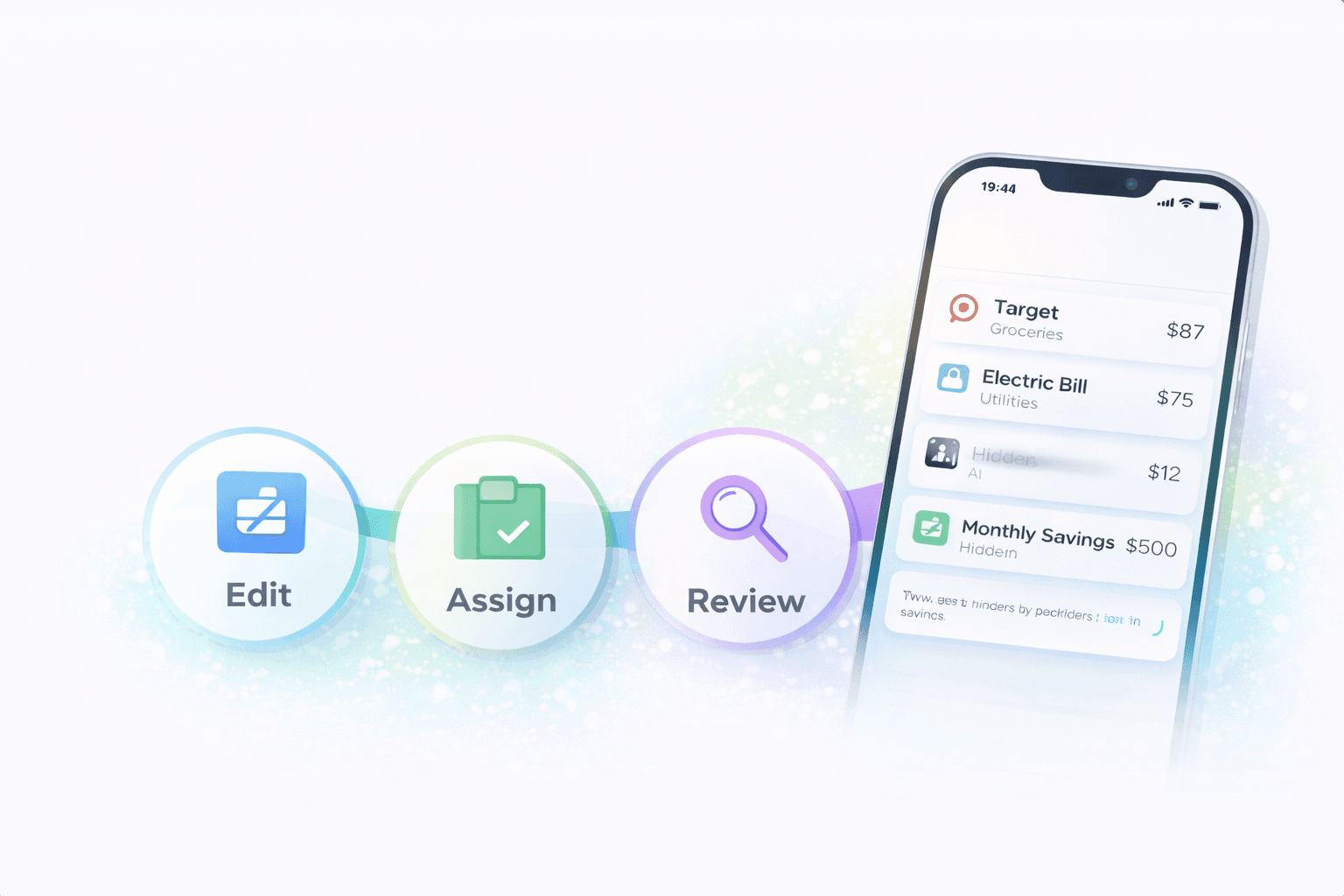
People rarely blow a month with one dramatic purchase. More often, the damage comes from repeated small buys that feel harmless in isolation. A coffee here, app upgrade there, extra convenience order at night, and suddenly the category total surprises you.
The solution isn't guilt. It's visibility and pattern recognition. Once you see frequency and timing, you can make a few low-friction adjustments that preserve quality of life while plugging leaks.
Why micro-spend is hard to notice
Small charges don't trigger emotional alarms. They clear quickly, blend across merchants, and feel justified in the moment.
Monthly statements summarize totals, but they often hide how often the same impulse pattern repeated.
Find leaks by frequency and context
Look for merchants with 8+ transactions in a month and category bursts tied to specific times, such as late evenings or commute hours.
Frequency plus context explains behavior better than category totals alone.
Target one leak at a time
Pick one recurring leak pattern and reduce it by 30% for two weeks. Avoid broad "spend less everywhere" goals that quickly collapse.
A single win builds confidence and often frees enough cash to reduce pre-payday stress.
Use challenge-style framing, not punishment
Treat leak reduction like an experiment: define the pattern, test one change, measure outcome. This keeps behavior change practical and non-shaming.
Small challenge loops tend to stick longer than strict bans.
Connect micro-spend fixes to bills and goals
Recovered dollars are most motivating when assigned immediately: buffer growth, recurring bill cushion, or debt acceleration.
Without assignment, savings often disappear back into default spending noise.
10-minute micro-spend leak audit
- Sort transactions by merchant frequency over the past 30 days.
- Choose one high-frequency merchant pattern to reduce.
- Set a two-week experiment target (for example, 10 buys down to 6).
- Redirect recovered cash to one visible bill or buffer objective.
Helpful next reads
Two leak patterns and low-friction fixes
Example 1: Coffee and convenience drift
A user makes 18 coffee purchases averaging $8.40 and 9 convenience-store purchases averaging $11.20 in one month. Reducing each by one-third saves about $95 without eliminating either habit.
That saved amount fully covers their monthly phone bill.
Example 2: App add-ons and food delivery fees
Small in-app renewals ($4.99 to $12.99) plus delivery fees add up to $146 over four weeks. The user keeps core subscriptions, drops two low-use add-ons, and caps delivery to two nights weekly.
Monthly cash flow improves by roughly $90 with minimal lifestyle disruption.
Common mistakes
- Trying to eliminate all discretionary spending at once instead of targeting one repeating pattern.
- Reviewing totals monthly but never checking high-frequency merchant behavior weekly.
Pro tips
- Use merchant-level views to catch repetitive charges that category totals blur.
- Celebrate reduction percentages, not perfection, to keep changes sustainable.
How Stitch helps you spot and fix small leaks
Stitch Spending and Transactions make merchant frequency and category drift easy to see, so tiny repeated purchases stop hiding in plain sight. You can quickly identify which behavior is worth changing first.
My Challenges framing and recurring bill context help you redirect recovered cash toward practical outcomes, like buffer growth or upcoming obligations.
Frequently asked questions
Do small purchases really matter if my salary is decent?
Yes. Repeated small charges can materially change weekly cash flow and pre-payday flexibility.
Should I cut all coffee or convenience spending?
Usually no. Targeting frequency reduction is more sustainable than full elimination.
How quickly can I see results?
Many people see meaningful improvement within two to four weeks of focused adjustments.
What's the best way to identify leaks?
Review transaction frequency by merchant and pair it with time-of-day or context patterns.
How do I avoid backsliding?
Keep one weekly check and one active micro-goal instead of broad restrictions.
Where should recovered money go?
Assign it immediately to a bill buffer, debt payment, or near-term goal so it stays visible.