
Money clarity
Recurring charges you forgot about: a gentle audit that takes 10 minutes
Confirm what's real, catch price increases, and stop paying for nothing.
Stitch Money Editorial Team · Published March 11, 2026
Editorial policy and correction standards
- Use a confirm-first workflow, not cancel-everything panic
- Catch inactive and duplicate subscription patterns
- Find price creep before it quietly compounds
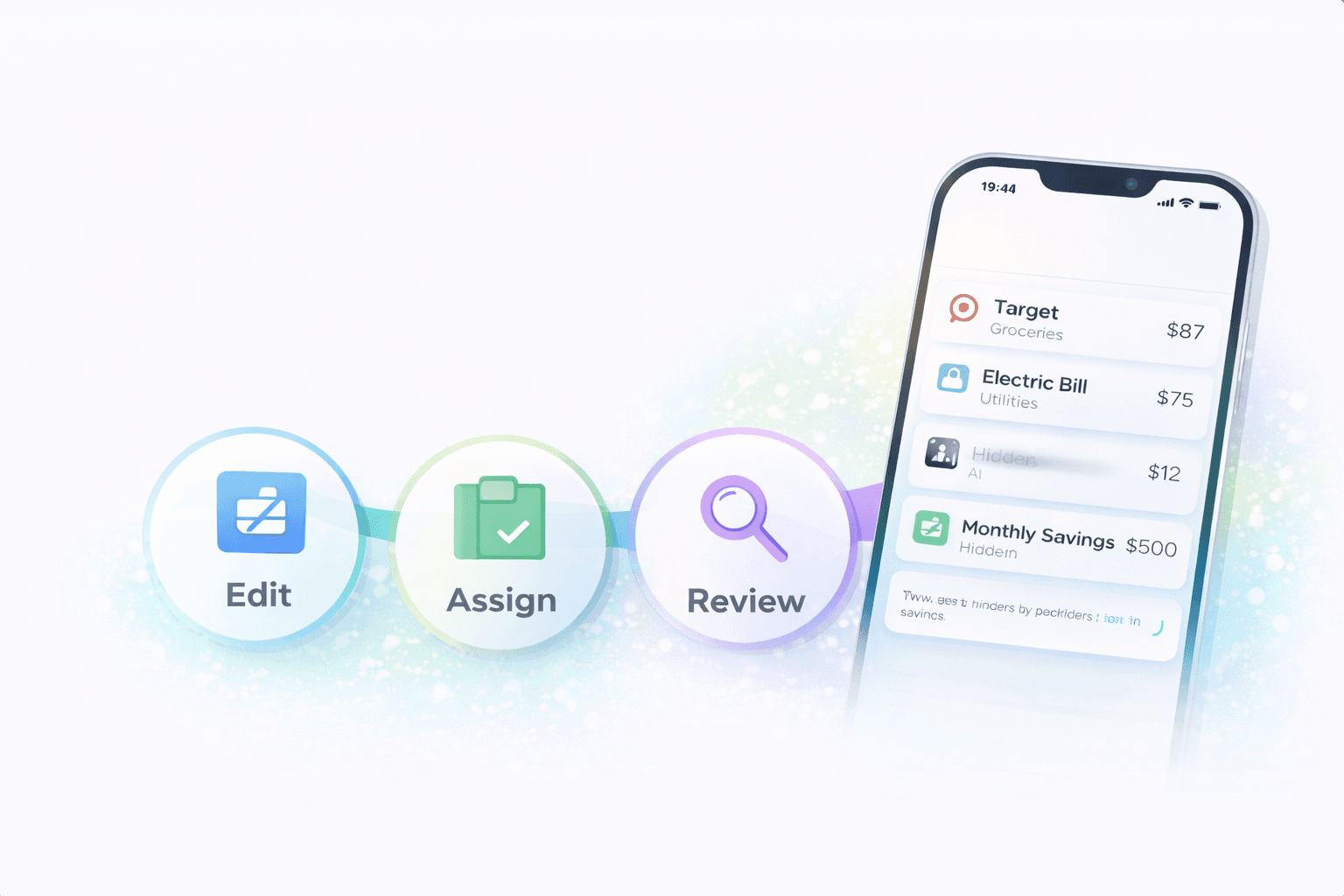
Forgotten recurring charges are rarely one huge line item. They are usually a set of small renewals that drift out of awareness. The pain compounds when prices increase silently or overlapping services duplicate value.
A gentle audit works better than aggressive canceling. The goal is to confirm what you still want, remove what you don't, and keep future renewals visible.
Why recurring charges go unnoticed
Small monthly charges normalize quickly. Annual renewals are even harder to remember because they hit far apart.
Bundles and app store billing can obscure merchant names, so people don't connect the charge to a specific service immediately.
Confirm-first audit workflow
Step one: list recurring charges from the past 60 days. Step two: mark each as wanted, uncertain, or no longer needed. Step three: verify renewal date and current price.
Only then decide cancel, downgrade, or keep. This avoids accidental cancellations of high-value services.
Spot hidden price increases
Compare recent charge amounts by merchant over the last three cycles. Small jumps, like $9.99 to $12.99, are common and easy to miss.
Price creep is often more expensive than unused subscriptions over time.
Separate wanted from not-wanted
Ask one question: would you buy this again today at the current price? If no, mark for action.
If uncertain, set a 30-day trial period with active usage tracking before canceling.
Set a lightweight monthly cadence
A 10-minute monthly review keeps recurring lists clean without becoming a full project.
Tie the review to one fixed date, like the first Sunday each month, so it doesn't drift.
10-minute recurring audit checklist
- Pull recurring charges from the last 60 days.
- Mark each item as wanted, uncertain, or no longer needed.
- Check latest amount versus prior cycle amounts.
- Schedule next monthly review date immediately.
Helpful next reads
Two audits that recovered money without over-cutting
Example 1: Annual renewal catch
A user finds a $129 annual software renewal they forgot about plus two active streaming services with overlapping content. They keep one, cancel one, and set a reminder before next year's renewal.
Net savings of about $18 monthly equivalent without sacrificing desired content.
Example 2: App-store bundle confusion
Three small app subscriptions ($4.99, $6.99, $8.99) appear under unclear merchant names. The user confirms only one is still used weekly and cancels two after backup export.
About $16 monthly saved with zero service disruption.
Common mistakes
- Canceling everything quickly and later repurchasing needed services at higher rates.
- Reviewing recurring charges only when cash flow is already under stress.
Pro tips
- Track renewal month and current price so increases are easy to spot next cycle.
- Keep a "pause before cancel" rule for services used seasonally.
How Stitch helps with recurring charge hygiene
Stitch Recurring surfaces repeating charges and upcoming dates, while Transactions gives merchant-level detail for confirmation. This makes confirm-first audits fast and less error-prone.
Spending trends help quantify which recurring costs are creeping and whether cleanup actions improved monthly cash flow.
Frequently asked questions
How often should I audit recurring charges?
Monthly is usually enough for most households.
Should I cancel every low-use subscription?
Not automatically. Confirm value and timing first, then decide.
How do I catch price increases quickly?
Compare the last three charge amounts for each recurring merchant.
What if merchant names are unclear?
Use transaction details and pattern timing to identify the underlying service before acting.
Are annual subscriptions worth keeping?
Keep them when usage justifies the current price and they support your priorities.
How does Stitch help with this audit?
Recurring, Transactions, and Spending together provide the charge history and context needed for a fast monthly review.