
Money explainer
Subscription price increases: how to catch them early
Streaming, gyms, software — prices creep up. Here's what to watch and how to avoid silent budget leaks.
Stitch Money Editorial Team · Published March 5, 2026
Editorial policy and correction standards
- Spot slow price creep before it becomes your new normal
- Compare recurring charges over time instead of trusting memory
- Use a light recurring review habit instead of a giant annual reset
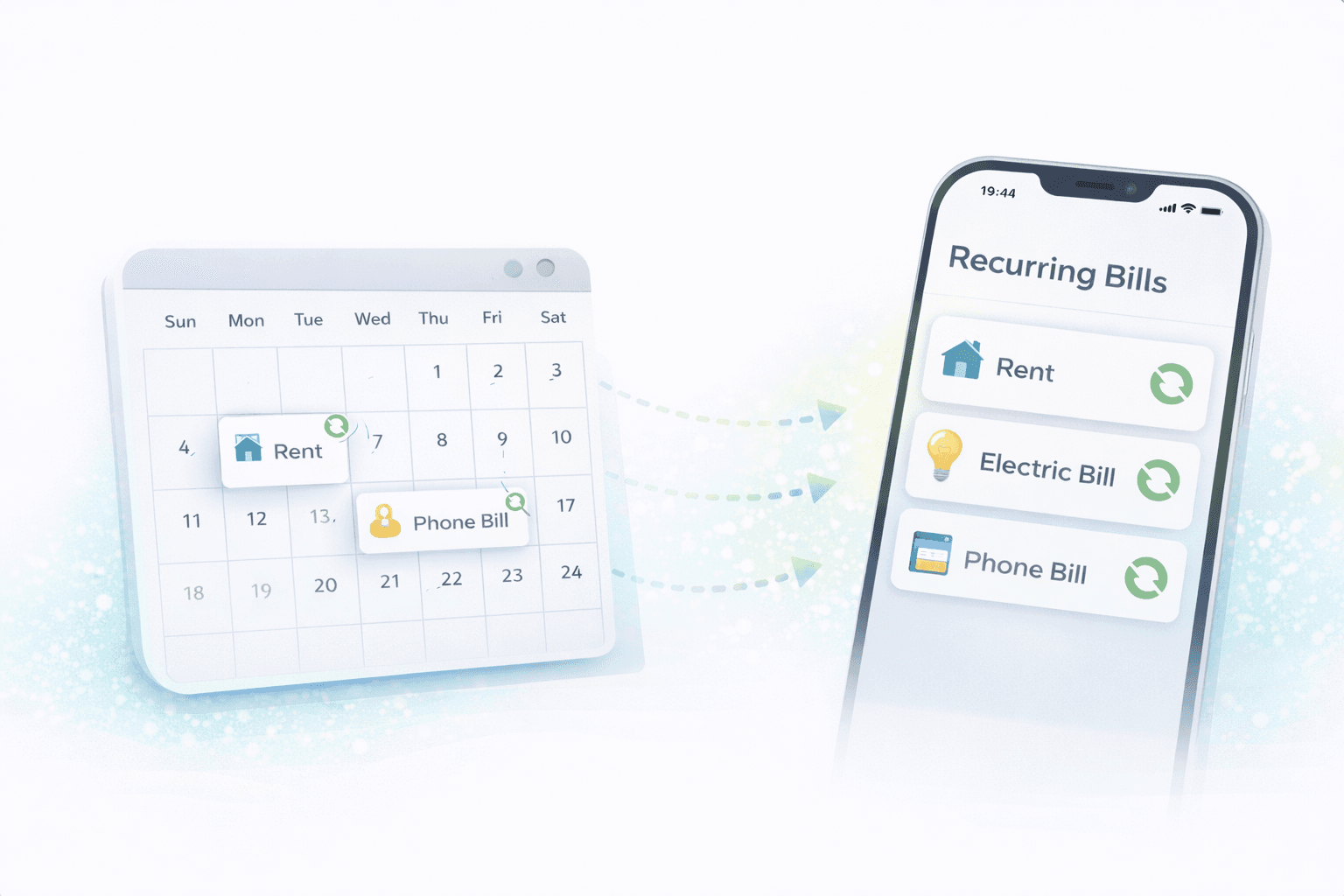
Price increases are one of the sneakiest forms of budget drag because the service stays familiar while the charge quietly changes. A jump from $9.99 to $12.99 rarely triggers a crisis by itself, which is exactly why it can survive for months.
The solution isn't constant paranoia. It's a light review habit that compares recurring charges over time so small increases become visible before they turn into a permanent leak.
Why small increases are easy to miss
The service still feels normal, so the charge keeps fading into the background. A small increase also looks harmless in isolation, especially if the rest of the month is busy.
That's why price creep often survives not because people accept it on purpose, but because the change is too small to demand attention on the exact day it happens.
What to watch for in recurring charges
The simplest signal is a recurring charge that still lands on schedule but starts stepping up in amount over time. That pattern matters more than one noisy month where tax or a one-off fee made the charge look different.
A side-by-side comparison across a few cycles usually shows whether you are looking at a real new baseline or just one odd invoice.
When a price increase deserves action
Not every increase means cancel immediately. Sometimes the service still earns its keep. The real question is whether the value still matches the new price and whether the household would actively choose it again at that amount.
A price increase matters because it resets the default. If you do nothing, the higher amount quietly becomes the new recurring leak every month.
A non-preachy review habit that works
The best habit is short and boring: during a weekly recurring review, compare the charges that changed amount and decide whether any of them deserve a keep, downgrade, or cancel conversation.
That keeps the review practical. You aren't auditing every subscription every week. You are just noticing when the price changed enough to deserve a second look.
How to catch price increases earlier
- Review recurring charges that changed amount, not just the new charges that appeared.
- Compare the last few billing cycles before deciding whether the increase is real or one-off noise.
- Ask whether the service still feels worth it at the new price, not only at the old price you first agreed to.
- Handle one questionable increase at a time so the review stays light and repeatable.
Helpful next reads
Two price-creep patterns that are easy to miss
Example 1: The classic streaming creep
A streaming service goes from $9.99 to $10.99 and then to $12.99 over three months. Because each increase is small and the service is familiar, the household barely notices until the annual total is meaningfully higher.
The monthly jump looks minor, but the yearly drag becomes much more noticeable once you compare the trend.
Example 2: Software add-on quietly resets the baseline
A $24 software plan adds a $6 usage-based feature for two months during a project, then the add-on quietly remains active afterward. The service still feels like 'the usual tool,' but the real recurring cost has become $30.
The budget leak isn't dramatic, but it becomes permanent if nobody reviews the changed amount.
Common mistakes with price increases
- Looking only for new subscriptions while ignoring existing subscriptions that slowly become more expensive.
- Reacting to one noisy billing month without checking whether the higher amount is actually becoming the new normal.
Pro tips for a lighter recurring review
- Compare recurring charges by trend, not memory; the human brain is bad at noticing small price steps over time.
- Treat a price increase as a trigger to re-choose the service at the new price instead of assuming inertia should decide for you.
How Stitch helps you catch silent recurring price creep
Stitch keeps recurring charges visible and tied to transaction history, which makes it easier to compare the same subscription across billing cycles and notice when the amount quietly steps up. That's often enough to trigger the right keep-or-cut decision before the leak becomes permanent.
Because the recurring review sits near the broader spending picture, you can also see whether the higher charge is part of a larger pattern of subscription creep or just one isolated service worth re-evaluating.
Frequently asked questions
Why are subscription price increases easy to miss?
Because the service itself is familiar and the monthly increase is often small enough to avoid triggering an immediate reaction.
How can I tell if the price increase is real or just a one-off fee?
Compare the last few billing cycles. A true increase usually becomes the new recurring baseline rather than disappearing after one month.
Should I cancel every service that gets more expensive?
Not automatically. The better question is whether the service still feels worth the new price.
What's the easiest way to review this without obsessing?
A light weekly recurring review focused on charges that changed amount is usually enough.
Do price increases count as subscription creep?
Yes. They are one of the most common ways the recurring total slowly rises without obvious new subscriptions being added.
How does Stitch help?
Stitch helps you compare recurring charges over time so slow price increases are easier to spot before they become your new normal.