
Money news you can use
When is a premium budgeting app actually worth it in 2026?
A premium plan should buy measurable stability, not just nicer screens.
Stitch Money Editorial Team · Published March 23, 2026
Editorial policy and correction standards
- Defines objective triggers for upgrading
- Helps avoid unnecessary subscription creep
- Keeps upgrade decisions tied to real pain points
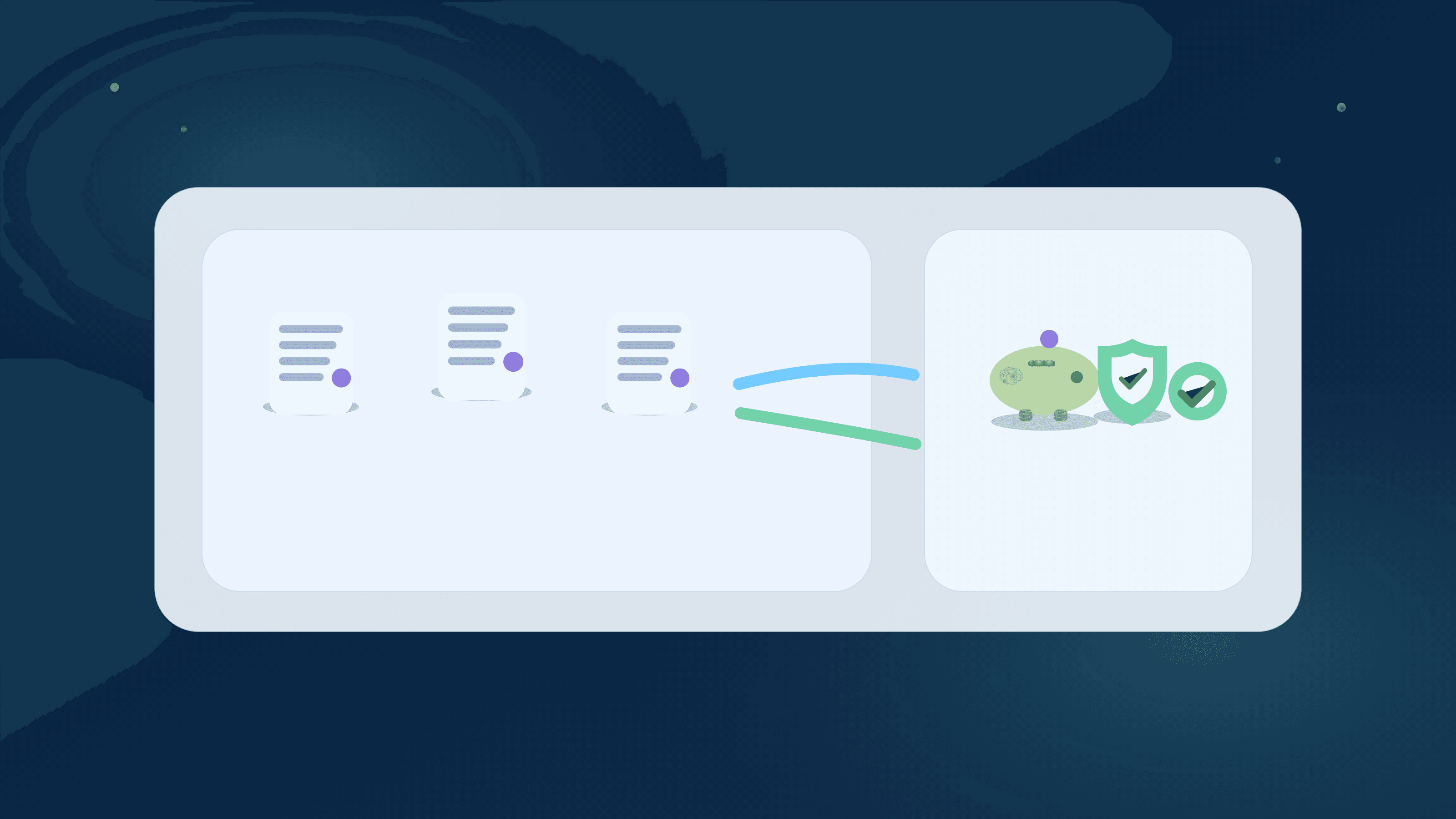
There's nothing wrong with paying for software that materially improves your financial decisions. The issue is paying by default instead of paying by evidence.
Use upgrade triggers, not feelings. If your free workflow misses critical recurring events, creates high cleanup overhead, or can't support your household complexity, premium may be worth it. If not, keep free and invest savings elsewhere.
Good reasons to upgrade
Upgrade when your current setup fails important weekly decisions despite disciplined use.
Examples include persistent recurring misses, slow transaction triage, or missing views needed for household coordination.
Weak reasons to upgrade
Upgrading because of FOMO, shiny UI, or one-time stress usually doesn't produce durable results.
If behavior and process stay unchanged, paid plans can become expensive noise.
Define your upgrade threshold
Set clear thresholds like "more than two recurring misses in a month" or "weekly review above 45 minutes for four weeks."
Thresholds make upgrades rational and reversible.
Use a 90-day accountability window
After upgrading, measure whether promised improvements actually happened by day 30, 60, and 90.
If they didn't, downgrade and simplify your process.
Where Stitch Premium fits
Some users eventually need deeper limits and Premium features like daily Net Worth snapshots.
Stitch supports that path, but the best starting point is still proving free workflow fit first.
Premium-worth-it checklist
- Write two to three measurable upgrade triggers.
- Confirm free-workflow discipline before blaming tool limits.
- Upgrade for 90 days with a documented success scorecard.
- Downgrade if outcomes don't improve as expected.
Helpful next reads
Two upgrade decisions
Example 1: Upgrade justified
A five-person household spent over 70 minutes weekly reconciling shared expenses and missed two recurring due-date adjustments in one month.
Premium features reduced review time to 28 minutes and eliminated misses over the next 60 days.
Example 2: Upgrade not justified
A solo user upgraded during a stressful month but kept the same inconsistent review routine.
After 90 days, outcomes were unchanged, so they returned to free and improved results by tightening weekly habits.
Common mistakes
- Upgrading without defining what success looks like.
- Keeping paid plans indefinitely even when outcomes don't improve.
Pro tips
- Treat upgrades like experiments with start and review dates.
- If paid features don't change weekly decisions, downgrade fast.
How Stitch helps
Stitch lets you start free, prove your routine, and upgrade only when your usage clearly justifies additional limits or Premium features.
That stepwise model helps avoid paying for complexity you don't actually need yet.
Frequently asked questions
Is paying for a budgeting app worth it in 2026?
It is when paid features demonstrably improve your weekly decisions and reduce costly mistakes.
How do I know if I should upgrade now?
Use measurable triggers tied to recurring misses, review time, and household coordination pain.
Should I always start free first?
For most people, yes. Starting free gives you a baseline to judge whether paid value is real.
How long should I test premium?
A 90-day window with checkpoints at 30, 60, and 90 days works well.
What if premium doesn't help enough?
Downgrade and improve process discipline. Tool spend should stay accountable.
Does Stitch force premium for basic workflows?
No. Stitch supports core workflows on free, with optional Premium when needs expand.