
Money news you can use
Recurring bills on a free budgeting app in 2026: can it really work?
Yes, if you run a disciplined recurring routine that handles variable charges and timing changes.
Stitch Money Editorial Team · Published March 23, 2026
Editorial policy and correction standards
- Shows how to run recurring tracking on free plans
- Covers variable amounts and renewal drift
- Reduces late-fee and overdraft surprises
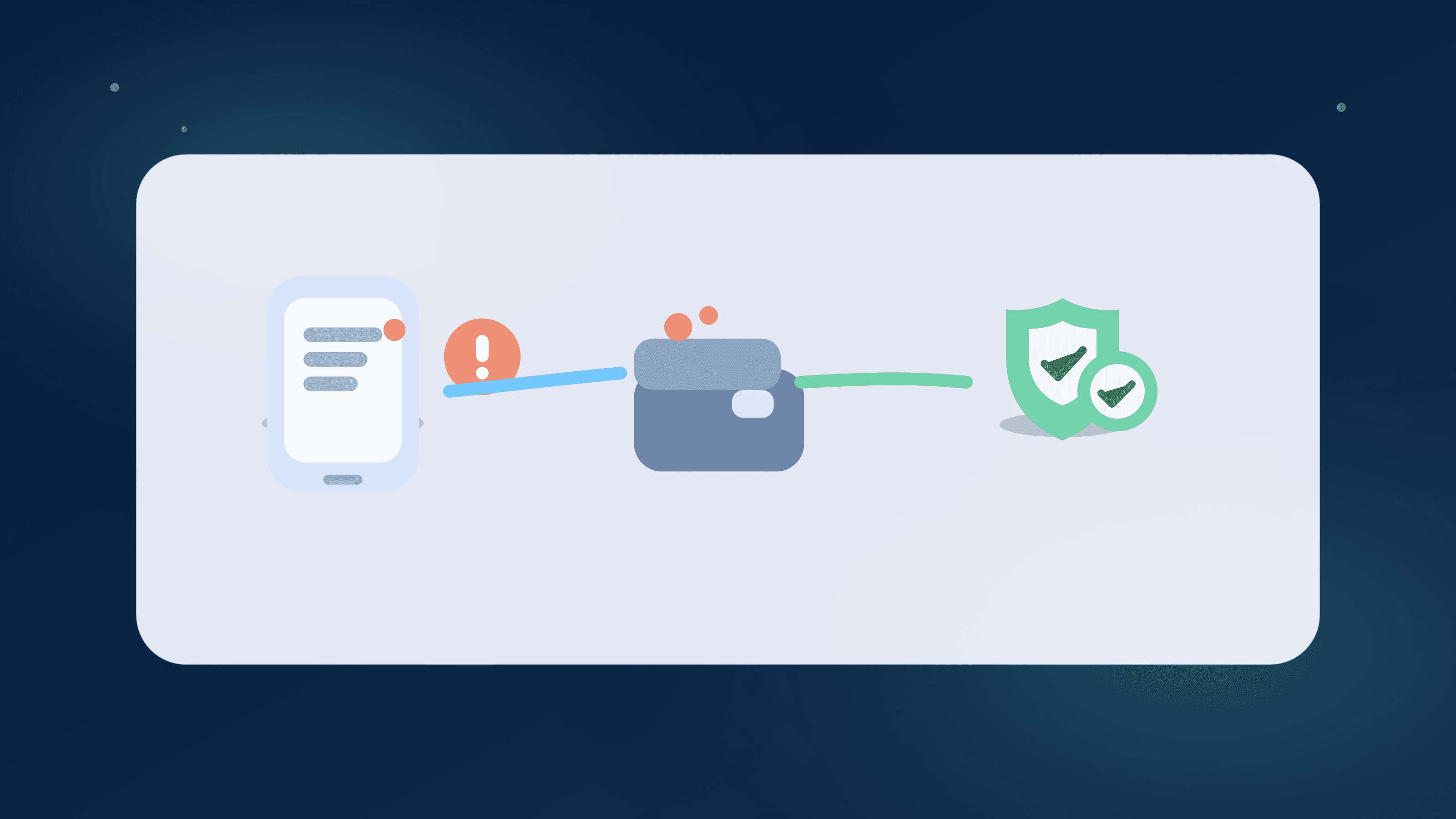
The most common skepticism around free budgeting apps is recurring reliability. That's fair because recurring misses can trigger fees fast.
A free setup can still work if you treat recurring as an operating workflow: due-date map, expected ranges for variable bills, and weekly drift review. Stitch supports this structure on free so you're not blind before payday.
Why recurring tracking fails in many setups
It usually fails when people assume fixed amounts for variable bills or never review merchants with changing descriptors.
Another failure mode is no weekly ownership, so recurring updates happen only after something goes wrong.
Build a recurring map with confidence ranges
For utilities and card bills, define an expected range and a max-alert threshold instead of one exact expected value.
Ranges prevent overconfidence and make decisions more realistic.
Run a weekly drift sweep
Scan upcoming recurring entries, compare expected versus posted patterns, and flag anything that moved in date or amount.
This takes under 15 minutes and catches most costly surprises.
Use payday timing as a second layer
Recurring visibility gets stronger when mapped against next deposit timing, not just monthly totals.
That view is what prevents the classic pre-payday squeeze.
When to consider paid upgrades
Upgrade only if your recurring complexity outgrows what free workflows can reliably support.
Make that decision from miss rate and stress level, not from feature anxiety.
Recurring reliability checklist
- Create expected ranges for every variable recurring bill.
- Map all recurring due dates against the next paycheck window.
- Run one weekly drift review for date and amount changes.
- Track recurring miss rate and adjust workflow before upgrading.
Helpful next reads
Two recurring scenarios
Example 1: Utility swings
A household's electric bill ranged from $98 to $212 over six months. They moved from single-value planning to a $120-$220 expected range.
They stopped underestimating pre-payday pressure and avoided two near-overdraft weeks.
Example 2: Card bill variability
A user saw card autopay jump from $410 to $840 after travel. Their recurring list wasn't reviewed for 19 days.
With weekly drift sweeps, they now catch unusual jumps before due date and adjust discretionary spend earlier.
Common mistakes
- Treating variable recurring bills as fixed values.
- Checking recurring only when a payment fails or fee appears.
Pro tips
- Group recurring by risk tier: fixed, variable, and high-volatility.
- Use a simple max-alert threshold for variable categories like utilities and cards.
How Stitch helps
Stitch's Recurring and Transactions workflow helps you manage due dates, variable bill ranges, and posting changes without needing a heavy paid stack.
Because everything sits beside cash-flow timing, recurring changes are easier to act on before they become fee events.
Frequently asked questions
Can free budgeting apps track recurring bills reliably?
Yes, with a weekly review workflow and expected ranges for variable bills.
What's the biggest recurring mistake?
Assuming all recurring charges are fixed when many shift by amount or date.
How often should I review recurring entries?
Weekly is the sweet spot for most households.
Do I need a bill calendar too?
Yes. Calendar context makes timing risk clearer than a flat list alone.
When should I upgrade from free?
Only when your recurring complexity consistently exceeds what your current workflow can manage.
How does Stitch support recurring on free?
Stitch gives recurring visibility, transaction context, and payday-aware planning in one free flow.