
Money clarity
How to plan for variable bills without guessing wrong
Utilities and credit cards aren't fixed—use ranges and 'expected max' planning.
Stitch Money Editorial Team · Published March 11, 2026
Editorial policy and correction standards
- Replace single-point guesses with realistic planning ranges
- Use expected max values for safer short-term decisions
- Update weekly when variable bills shift seasonally
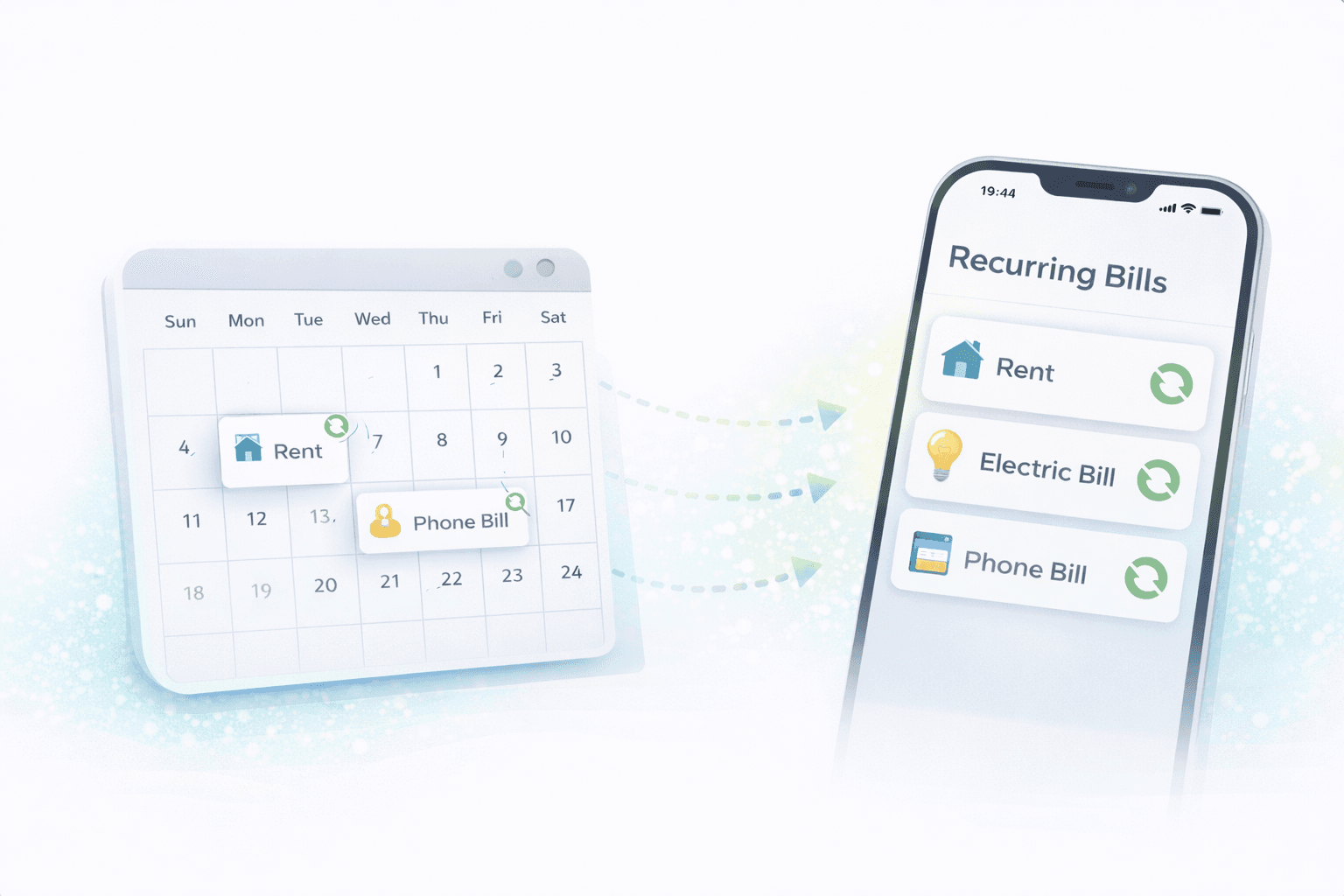
Variable bills break rigid budgets because they refuse to stay the same. Utilities rise in heat waves, card statements spike after travel, and one fixed estimate can make your plan look safer than reality.
The practical fix is range-based planning. Instead of pretending precision, use a normal range and an expected max for each variable bill so weekly decisions remain grounded.
Why fixed estimates fail for variable bills
A single average smooths out volatility, but your account balance experiences actual highs and lows. The timing of highs is what creates stress.
When people understate variable bills repeatedly, they often cut from the wrong categories too late.
Use range plus expected max
For each variable bill, keep two values: a normal range and an expected max. Example: electric normal $95-$150, expected max $190 in peak summer.
Plan core spending around expected max during tight periods and relax toward range midpoints when the cycle is stable.
Seasonality and statement cycles matter
Utilities follow weather cycles. Credit card payments follow statement timing and previous spending. Both can look random until you chart them by month.
A three-month lookback is often enough to set useful bands for next month.
Avoid overconfidence in exact totals
Exact monthly totals can feel reassuring but may hide risk when variable bills are pending. Treat precise numbers as temporary estimates, not guarantees.
When in doubt, choose caution for the next 7-10 days and reopen flexibility after bills post.
How to review variable bills weekly
Each week, check whether current projections sit in-range, near max, or above max. If near max, adjust discretionary spend quickly.
This weekly rhythm is less about restriction and more about reducing surprise.
Range-based variable bill setup
- Assign a normal range and expected max to each variable bill.
- Overlay due dates against paycheck windows for stress testing.
- Use expected max in tight weeks and revise after actual posting.
- Review bands monthly for seasonal and behavior changes.
Helpful next reads
Two variable bill plans with realistic ranges
Example 1: Seasonal electric swings
A household's electric bill runs $105-$145 in spring but jumps to $185-$240 in July and August. They set expected max at $240 for summer windows and pause one discretionary category when the projection crosses $200.
No surprise shortfalls when summer usage spikes.
Example 2: Credit card payment variability
Card payments average $620 but range from $420 to $980 depending on travel months. They plan a default expected max of $900 in high-spend quarters and lower it after two calmer cycles.
Cash-flow plans absorb statement variability instead of reacting late.
Common mistakes
- Using one annual average for variable bills and assuming each month will behave similarly.
- Treating pending estimates as final values when setting near-term spending limits.
Pro tips
- Tag months with known seasonal patterns so future ranges improve over time.
- If uncertain, anchor decisions to expected max and revise after charges post.
How Stitch supports range-based bill planning
Stitch Recurring and bill timelines keep variable due dates visible while Transactions and Spending reveal recent swings. That helps you plan with ranges instead of stale averages.
Cash-flow views and Income & Taxes context let households adjust quickly when projected bills approach expected max levels, reducing end-of-week surprises.
Frequently asked questions
What's an expected max bill amount?
It's a conservative value you use for planning during tight periods, based on recent high but realistic outcomes.
How many months should I use to set a range?
Three to six months is usually enough to build a practical starting range.
Should I budget utilities as fixed?
No. Utilities usually require a range with seasonal adjustments.
How do I handle variable credit card payments?
Track statement-cycle swings and plan with expected max values in high-spend periods.
Can I still have spending goals with variable bills?
Yes. Goals become more realistic when variable obligations are modeled with ranges.
When should I revise my ranges?
Review monthly or after major seasonal, travel, or spending pattern changes.