
Money clarity
How to set up a bills calendar that prevents late fees
A simple weekly view that shows what's due before your next paycheck.
Stitch Money Editorial Team · Published March 11, 2026
Editorial policy and correction standards
- Build a due-date timeline that actually matches your pay cycle
- Highlight high-risk bills that can trigger fees first
- Use one weekly check to keep the calendar current
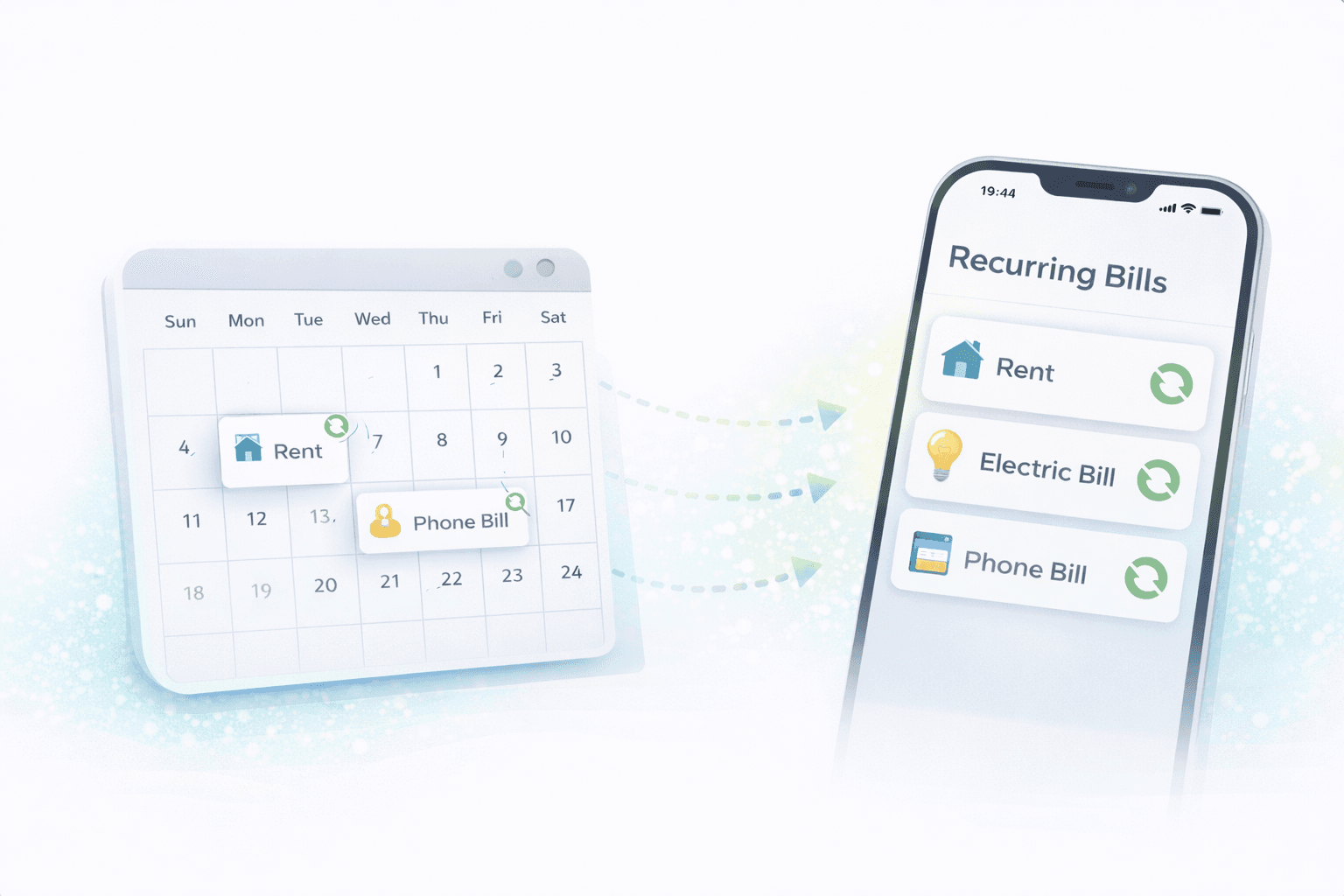
A bills calendar is one of the highest-leverage fixes for household money stress. It prevents late fees, lowers overdraft risk, and makes weekly spending decisions easier because obligations are visible ahead of time.
Most calendars fail because they become a static list. A working version ties due dates to payday windows, marks high-risk charges, and gets reviewed weekly with current transactions.
What a useful bills calendar includes
Every entry needs amount, due date, account source, and whether it's fixed or variable. Missing any of these makes planning fuzzy.
Include annual renewals and quarterly bills, not just monthly subscriptions. Surprise annual charges are common late-fee triggers.
Map due dates to paycheck timing
After listing bills, overlay paycheck dates. The key insight isn't total monthly cost; it's how many obligations cluster before the next deposit.
If three bills repeatedly hit in a low-cash week, prioritize shifting at least one due date if providers allow it.
Use risk tiers instead of equal reminders
Tag bills as high, medium, or low risk based on late fee impact and overdraft probability. Rent and insurance usually deserve early reminders.
This keeps attention on consequences, not raw count of reminders.
Weekly maintenance routine
Spend five minutes weekly confirming what posted, what's upcoming, and what changed. This avoids stale calendars where one failed auto-pay causes confusion.
If a variable bill arrives higher than expected, update the upcoming week immediately instead of waiting for month-end.
Add a buffer strategy to the calendar
A calendar without buffer logic still breaks when one bill spikes. Set a minimum cushion target tied to your highest recurring cluster.
Even a small buffer, like $150 to start, can prevent the chain reaction of one late bill causing two more.
Bills calendar setup in six steps
- Import or list all recurring and periodic bills with due dates.
- Attach each bill to the account it actually drafts from.
- Overlay paycheck dates and identify tight windows.
- Tag high-risk bills with earlier reminders.
Helpful next reads
Two setups that reduce late fees quickly
Example 1: Single paycheck household
Payday is every other Friday. Bills due before next pay include rent $1,540, internet $79, and phone $96. The household sets reminders at 5 and 2 days, and shifts phone due date by one week.
Late fees drop to zero in the first month because the cluster is visible and adjusted.
Example 2: Two-paycheck cycle with uneven drafts
Paydays are the 1st and 15th. Utilities $210, insurance $188, and daycare $620 all land between the 11th and 14th. The household adds a $300 mid-month buffer and marks that week as high-risk.
They stop borrowing from savings for short timing gaps.
Common mistakes
- Tracking due dates without noting which account each bill pulls from.
- Building the calendar once and never updating variable bill amounts.
Pro tips
- Use a single weekly review day so the calendar remains a living tool.
- Prioritize fixing one high-risk due-date cluster before optimizing minor bills.
How Stitch turns a static list into a working bill calendar
Stitch Recurring and upcoming views surface due dates alongside transaction reality, so your calendar reflects what actually posted. Spending and Transactions make it easy to confirm drift quickly.
For shared households, Patch keeps everyone on the same timeline. Combined with payday context, the weekly check becomes fast and actionable instead of a spreadsheet project.
Frequently asked questions
How many reminders should a bill have?
High-risk bills usually need two reminders, while low-risk bills may need only one.
Should I include annual renewals in my calendar?
Yes. Annual renewals often cause the biggest surprise charges if omitted.
What if my utility bill amount changes monthly?
Track the due date and use expected ranges for amount planning rather than one fixed estimate.
Can a bills calendar help with overdrafts?
Absolutely. It exposes clusters before they hit, which is when adjustments are still possible.
Do I need a joint account for a shared bill calendar?
No. You can coordinate bills across separate accounts with clear ownership and visibility.
How often should I update the calendar?
A short weekly review is enough for most households.